September 24, 2026

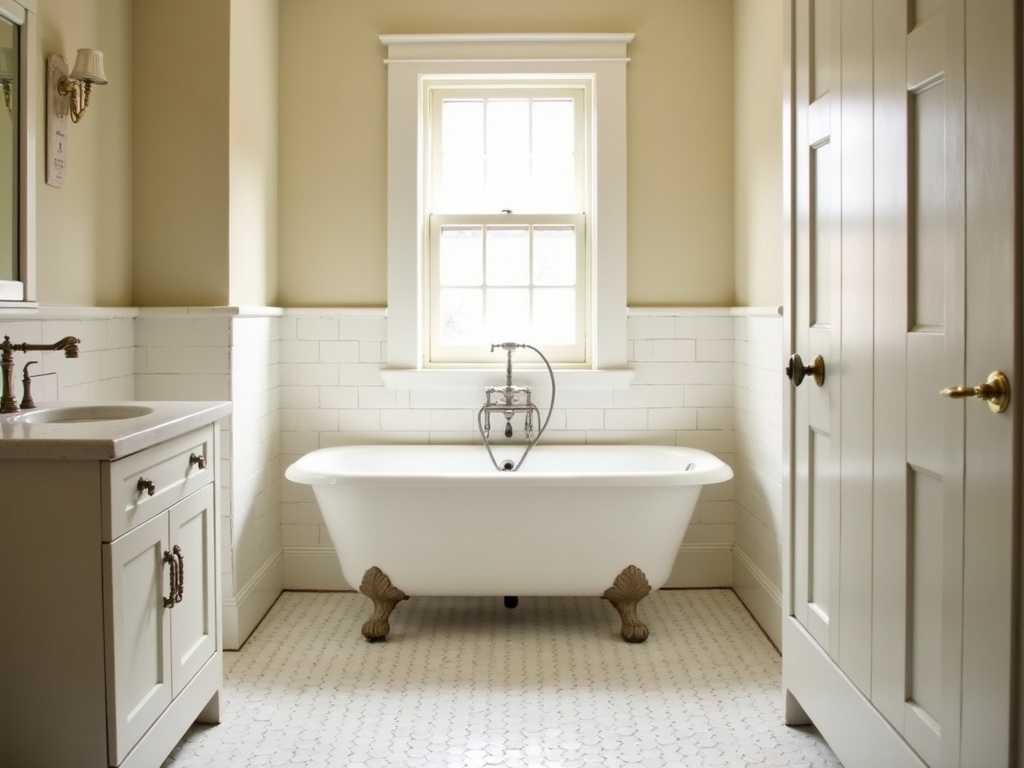
Old Town Louisville has a character that newer neighborhoods simply do not have. The craftsman bungalows, the original hardwood floors, the plaster walls, the cast-iron radiator covers that collect dust in every seam. We have been cleaning homes on and around Main Street and the surrounding blocks for years, and right now in mid-May, after a long pollen-heavy spring, these homes need more attention than usual. The older construction means more surface texture, more intricate woodwork, and more places for fine particulate to settle and stay.
If you are hiring a cleaning service for your Old Town Louisville home, or if you are the one doing the cleaning yourself, what works in a newer build does not always work here. The surfaces are different, the dust profile is different, and the wrong product or technique can cause real damage to finishes that cannot be easily replaced.
This post walks through exactly what an experienced cleaner needs to know before working in an older Louisville home.
The most common error we see when a new cleaner works in an older home is treating every surface the same. In a newer build, most floors are sealed engineered hardwood or LVP, and most surfaces are painted with modern latex that holds up to general-purpose sprays. In an older Old Town Louisville home, that assumption causes problems.
Original hardwood floors from the 1920s and 1930s were finished with shellac or early oil-based varnish, not the moisture-cured urethane on modern floors. Spray a pH-neutral water-based cleaner directly onto an original hardwood floor and you introduce moisture that works into every micro-crack and warps the boards over time. Plaster walls are softer than modern drywall and scuff with abrasive cloths. Older wood trim, particularly painted trim that has been repainted multiple times over the decades, chips easily if you apply pressure with anything rough.
We avoid multi-surface spray-on products on any unpredictable finish. The cleaner needs to identify the surface type first and then choose the method, not the other way around.
Walk the home first. Note what the floors are made of, whether walls are plaster or drywall, what the trim looks like, and whether any surfaces appear fragile or compromised. Original hardwood, tile, plaster, and old painted surfaces each require a different product and a different touch. In Old Town Louisville homes, it is common to find a mix of original and replacement surfaces in the same room, particularly in kitchens and bathrooms that were updated at some point without a full renovation. Do not assume consistency.
Dust before you clean. On original hardwood floors, vacuum with a soft-bristle attachment rather than a beater bar, which can scratch older finishes. Use a dry microfiber cloth on wood trim and plaster walls before introducing any cleaning product. Fine dust and debris scratch surfaces when moisture is applied on top of them. Getting the dry pass right reduces the risk of everything that follows.
This matters everywhere, but it matters most in older homes. Spray application puts liquid directly onto the surface, and on original hardwood or old painted trim, that moisture sits in the grain and under paint layers before it evaporates. Apply the cleaning product to a microfiber cloth first, then wipe the surface. The cloth stays damp, not the floor. We use a pH-neutral hardwood cleaner this way on every original wood floor we encounter in Old Town Louisville. For more on why spray application damages older wood floors over time, our post on what people get wrong about cleaning hardwood floors explains the specifics.
Old Town Louisville homes have a level of architectural detail that modern builds do not. Crown molding with deep profiles. Radiator covers with narrow slats. Original window casings with multiple layers of paint creating irregular surfaces. Dust collects in all of these and does not release easily. Use a soft-bristle brush attachment on a HEPA-filter vacuum to pull dust out of radiator covers and deep molding profiles before wiping. A microfiber cloth catches what the vacuum loosens. Skipping this step means the dust redistributes to surfaces you already cleaned.
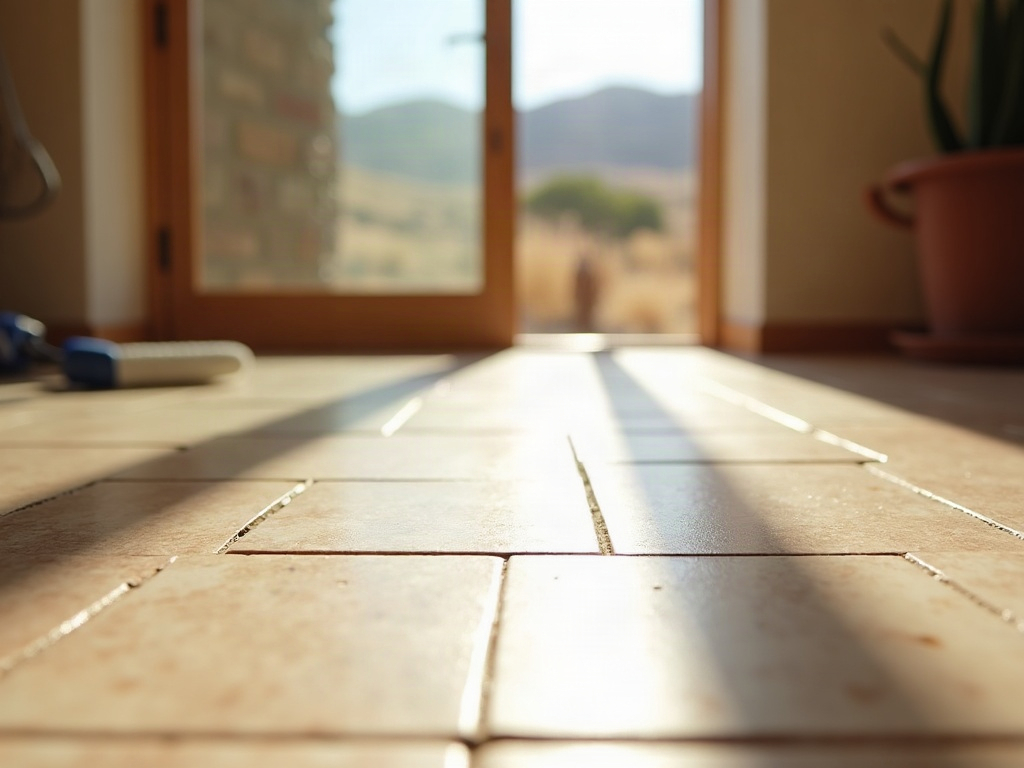
Bathrooms and kitchens in older Louisville homes often have original ceramic tile, sometimes from the 1940s or 1950s. The tile itself is usually durable, but the grout is a different story. Older grout is more porous than modern grout and absorbs acidic cleaners, which break it down over time. Vinegar, which gets recommended constantly as a natural cleaner, is a real risk on older grout. We use an alkaline cleaner on tile and grout in these homes, applied with a grout brush, then rinsed thoroughly. It lifts soap scum and mineral deposits without degrading the grout.
Plaster walls in older homes are harder than drywall but they are also more brittle. In bathrooms, years of humidity cycling can create hairline cracks or soft spots. Pressing too hard with a cloth near a soft spot can cause surface damage that is expensive to repair. Use light pressure and dry or barely damp cloths on plaster. If a wall section sounds hollow when tapped or has visible bubbling, flag it for the homeowner and work around it rather than risk making it worse.
On original hardwood, a barely damp microfiber mop pad applied in the direction of the grain is the correct method. Wring the mop pad out thoroughly before use. The floor should look dry within sixty seconds of wiping. Standing moisture on an original hardwood floor causes warping and finish damage that is permanent on floors that can no longer be easily refinished. On older tile floors, particularly in bathrooms with original hex tile, a soft mop and an alkaline cleaner rinse is the right approach. Avoid scrubbing pads that can scratch old glaze.
Product selection is where a lot of cleaners go wrong in historic and older homes. The standard toolkit for a newer build does not translate directly.
We use Bona Hardwood Floor Cleaner on original wood floors in Old Town Louisville homes. It is pH-neutral, water-based, and designed specifically for finished hardwood. It does not leave residue, it dries fast, and it does not introduce the moisture that damages older wood finishes. We do not use steam mops on original hardwood under any circumstances. Steam forces moisture deep into the grain and the subfloor, and on floors that are already showing age, the damage is not recoverable.
For plaster walls and painted trim, dry microfiber cloths are the primary tool. When a cleaning product is needed on painted surfaces, we use a diluted mild dish soap solution applied with a soft cloth. We test in an inconspicuous spot first if the paint looks old or thin. Modern all-purpose cleaners often contain degreasers or solvents that lift older paint finishes.
HEPA-filter vacuums are the right tool for homes with a lot of architectural texture. Standard vacuums exhaust fine particles back into the air. In an older home where pollen season in Boulder County is running from April through June and homes during this window need noticeably more surface wiping, keeping fine particulate out of the air matters. A HEPA filter captures particles at 0.3 microns, which is fine enough to handle the dust profile in these older structures.
On older tile grout, we avoid commercial bathroom sprays that contain bleach or citric acid. Bleach can whiten grout temporarily but it breaks down the binding over time. We use an alkaline tile cleaner and a medium-bristle grout brush. Results take a little more effort, but the grout stays intact.
Cleaning an older home yourself is entirely possible with the right knowledge and products. The risk is in the gaps: the places where a standard cleaning product or technique causes damage before you realize it.
If your home has original hardwood floors and you are not certain what finish they carry, the safest test is to rub a few drops of water onto a hidden spot and watch what happens. If the water beads, the finish is intact and sealed. If it soaks in or leaves a dark spot, the finish is compromised and the floor needs professional attention before any wet cleaning happens.
Deep cleaning tasks in older homes are also where DIY time costs add up fast. Old Town Louisville bungalows typically run between 1,100 and 1,800 square feet, but the surface complexity makes them clean more like a larger modern home. Detailed woodwork, original tile, and plaster walls each require more care and time than their smooth modern equivalents. A professional team experienced with older homes works through that complexity without guessing.
The other DIY risk is cumulative. Using the wrong product once may not cause visible damage. Using it every two weeks for a year will. Older finishes degrade slowly, and by the time the damage is obvious, it is often past the point of easy repair. Hiring a cleaner who understands older surfaces protects an investment that cannot be replaced with a standard renovation budget.
For homeowners preparing an older Louisville home for sale, a professional clean that respects original surfaces can make a real difference in how the home presents. Our post on preparing a home for sale with a professional cleaning covers which details buyers notice most. Many of those points apply directly to older homes in Louisville.
If you want to understand what ongoing service looks like for a home like this, our Louisville house cleaning page covers what we do in the area and how we approach homes with older construction. You can also review our full range of services on the services page.
For context on how Colorado's dry climate affects dust accumulation in older homes specifically, the post on how Colorado's dry climate affects cleaning frequency is worth reading. Older homes with more surface texture accumulate dust faster than newer construction, and the Front Range's semi-arid conditions make that worse year-round. Our post on why Front Range dust is different explains the particulate profile that Louisville homeowners deal with, especially given the open space along the Coal Creek corridor.
To talk through what your Old Town Louisville home needs before anyone shows up, call us at 303-827-1251 during business hours and we will walk through the specifics with you.
Original hardwood floors in Old Town Louisville homes are often finished with shellac or old oil-based varnish rather than the durable urethane coating on modern floors. A pH-neutral hardwood cleaner like Bona, applied to a microfiber mop pad rather than sprayed directly onto the floor, is the safest option. Avoid steam mops entirely. Steam forces moisture into the grain and causes warping on older finishes that cannot be undone. Vinegar, which is commonly recommended online, is acidic enough to dull older hardwood finishes over time with repeated use. When in doubt, test a product in a hidden spot first.
Older homes have more surface variation, more fragile finishes, and more places where the wrong product causes permanent damage. Plaster walls are softer than modern drywall and scuff with abrasive cloths. Original hardwood responds poorly to spray-on moisture. Old grout in original tile absorbs acidic cleaners and degrades faster than modern grout. Layered paint on older trim chips with rough pressure. In Louisville's Old Town neighborhood, many homes also have architectural detail like crown molding, radiator covers, and original window casings that collect dust in ways flat modern surfaces do not. An experienced cleaner identifies the surface type first and selects the method accordingly.
Many all-purpose sprays contain degreasers or mild solvents that are fine on modern latex paint but can soften or lift older paint finishes, especially on trim that has been repainted multiple times over decades. The safest approach on older painted trim is a barely damp microfiber cloth for regular dusting and a diluted mild dish soap solution for anything that needs more cleaning power. Test in an inconspicuous spot before applying anything new to old painted surfaces. If the cloth pulls color or the finish looks dull after drying, the product is too aggressive for that surface.
Older homes with more architectural texture, original hardwood, and plaster walls accumulate dust faster than modern builds with smooth surfaces. Biweekly professional cleaning is the right fit for most occupied Old Town Louisville homes, particularly during Boulder County's pollen season from April through June when surface wiping needs are noticeably higher. Homes with pets, multiple occupants, or significant textile surfaces like rugs and upholstered furniture benefit from weekly service. The Front Range's semi-arid conditions mean dust is persistent year-round, not just seasonally. Our Louisville house cleaning page has more information on scheduling options for homes in the area.
Tell them which floors are original hardwood and whether any have visible finish wear. Point out any plaster walls that have soft spots, cracks, or areas that look fragile. If you have original tile in bathrooms or kitchens, mention it and note whether the grout is in good shape. Flag any surfaces that have had recent repairs or touch-up painting, since those areas can be more sensitive than the surrounding material. If there are specific products you know have caused problems on a surface in the past, share that information before the visit. A good cleaner will do a walk-through before starting, but giving them this context upfront means nothing gets discovered the hard way. You can note these details when you book your cleaning online.
If your Old Town Louisville home deserves a cleaning crew that knows the difference between a shellac finish and a urethane one, book your first visit online and we will make sure the right products and the right technique show up at your door.