October 19, 2026

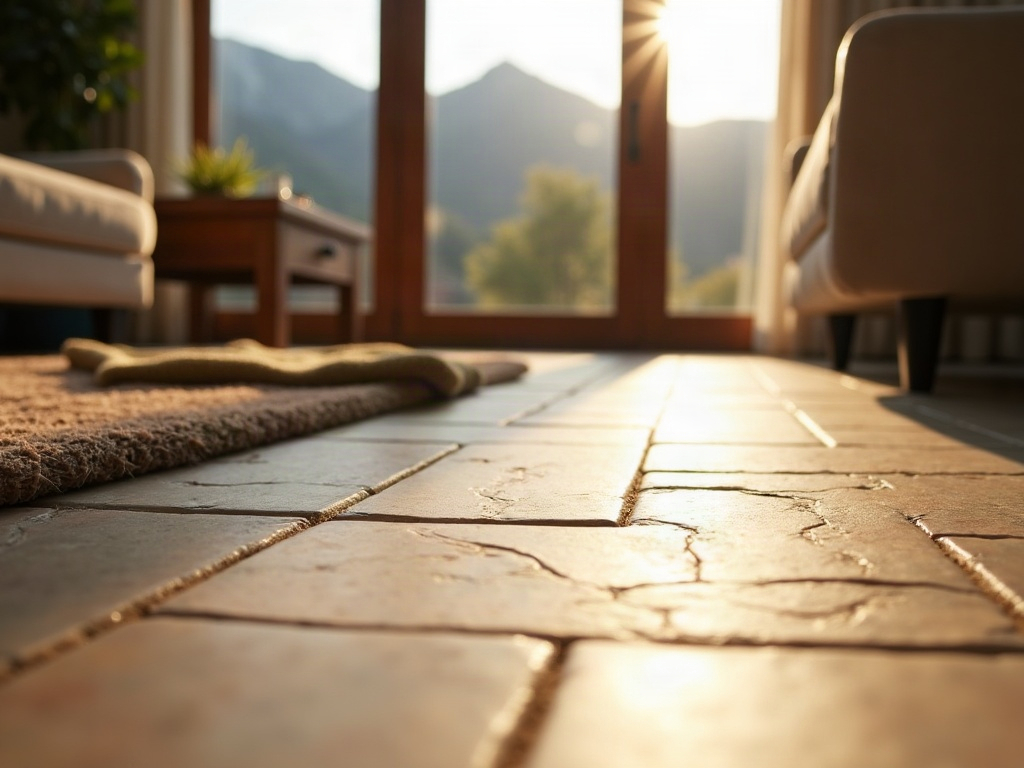
Boulder's North Boulder and Old Town neighborhoods have seen a steady uptick in radiant floor heating installations over the past few years, both in new construction and in whole-home remodels of older mid-century properties. We have cleaned enough of these homes now that a clear pattern has emerged: most homeowners are doing at least one thing wrong on these floors, and they usually do not find out until the damage has already happened.
Radiant floor heating changes the rules for cleaning in ways that are not obvious until you understand how the system works. This post walks through the most common mistake we see, the step-by-step process we follow on these homes, what products we use and why, and where DIY cleaning on radiant floors stops making sense.
The single most damaging thing you can do on a radiant floor is clean it with excess moisture when the system is running. Here is why that matters.
Radiant floor systems heat the floor surface from below, either through hot water tubes (hydronic) or electric heating elements embedded in or below the subfloor. When the floor is warm and you apply a wet mop or a steam mop, two things happen at once. The warm surface accelerates moisture absorption into the flooring material. And if you are using a steam mop, the steam itself drives heat and moisture simultaneously into the surface in a way that no floor material handles well over time.
On hardwood over radiant heat, this combination causes cupping, where the edges of boards rise above the center because moisture hits the top surface while the bottom stays warm and dry. On stone tile, the rapid temperature differential between steam and the heated surface can stress the adhesive beneath, loosening tiles at the grout line over multiple cleaning cycles. On LVP, excess moisture on a warm surface speeds up adhesive breakdown at the seam edges.
The mistake is almost always the same: homeowners assume that if a product works on a cool floor, it works on a warm one. It does not. Moisture behaves differently on a heated surface, and cleaning chemistry reacts differently at elevated temperatures. That gap in understanding is where floor damage starts.
Before any cleaning product touches the floor, know whether the system is running. In Boulder homes with hydronic radiant systems, the floor surface typically runs between 68 and 84 degrees Fahrenheit during active heating. Touch the floor with your hand near a thermostat or in a central living area. If it is noticeably warm, the system is on. If you are managing a scheduled clean, lowering the thermostat by 10 degrees about 30 minutes before you start brings the surface temperature down without shutting the system off entirely. You do not need a cold floor to clean it safely. You need a floor that is not actively drawing moisture into the surface through heat.
The dry pass comes first, always. On radiant floors, this step is more important than on standard floors because the warm surface creates a mild convection effect near the floor level that keeps fine particulate slightly suspended and redistributable. A dry microfiber dusting mop captures that layer before any liquid touches the surface. Vacuum with a soft-brush attachment, not a beater bar, on hardwood. A beater bar vibrates the floor surface and can work adhesive loose around boards that have already experienced some moisture stress. On tile over radiant heat, a standard hard-floor vacuum attachment works fine. Complete the entire dry pass before picking up the wet mop.
The radiant heat system does not change which cleaner is appropriate for each floor type. It changes how carefully you need to apply it. On hardwood over radiant heat, a pH-neutral wood floor cleaner is the correct product. On natural stone tile, a pH-neutral stone-safe cleaner only. On porcelain or ceramic tile, a pH-neutral all-purpose floor cleaner works. On LVP, a diluted pH-neutral cleaner or plain water. We use Bona pH-neutral cleaners on hardwood and stone because the formula does not leave residue and the pH sits squarely in the safe zone for sealed surfaces. Residue left on a warm floor surface bakes into the finish faster than it would on a cool floor. A product that leaves even a light film on a standard floor leaves a more stubborn film on a radiant-heated floor because the surface temperature helps the residue bond to the finish during drying.
This is where most DIY cleaning on radiant floors goes wrong. Standard mopping technique leaves a slightly damp floor that dries in a minute or two at room temperature. On a warm radiant floor, that same moisture level gets drawn into the flooring material faster than it evaporates from the surface. The result is net moisture absorption rather than surface evaporation. Wring the mop until no dripping occurs, then wring it once more. The mop should feel barely damp when you press it against your forearm. Work in small sections and let each section show that it has dried before moving to the next. On a warm hardwood floor in a Boulder home in winter, when indoor humidity is already low, a too-wet mop can cause visible cupping within a few weeks of repeated cleaning. That damage is irreversible without sanding and refinishing the floor.
This is a firm rule, not a guideline. Steam mops combine heat and moisture in a concentrated application that is damaging on any floor type. On a radiant heated floor, the combination of heat from below and steam heat from above creates a moisture drive in both directions simultaneously. For hardwood, that means rapid absorption from the top and expansion pressure from the bottom. For stone tile, it means thermal stress at the grout joints and adhesive layer. For LVP, it means accelerated seam separation at the edges. The temperature differential between the steam application and the heated subfloor creates a stress cycle that shows up first as minor gapping or lifting, then as visible deformation over multiple cleaning sessions. No floor manufacturer warranties coverage for steam mop damage, and no radiant floor installer recommends them. If someone is offering steam mop service on your radiant floor home, decline it.
Radiant floor tile installations in Boulder tend to use larger format tiles with wider grout joints, particularly in Old Town remodels where the design aesthetic favors a more architectural look. Those wider joints trap more material between cleans and require direct brush attention to clear. A grout brush with a pH-neutral stone-safe cleaner applied by hand removes what a mop redistributes. On a warm floor, grout cleaner with any acidic component etches faster because heat accelerates chemical reactions. Stay with pH-neutral products on grout lines adjacent to natural stone, and rinse the grout joint with a barely damp cloth after brushing to prevent cleaner residue from sitting in the joint on a heated surface. Do this step during the cleaning visit, not as a separate pass, so the floor is already cool from the pre-clean temperature adjustment you made at the start.
After the damp mop pass is complete, do a dry microfiber pass over every section you mopped. This step removes any residual moisture and catches the light cleaner film that can appear on warm hardwood as the surface dries. On tile, it prevents water spots on the tile face and residue in grout joints. Check the floor edges near the walls and around furniture legs. Those are the spots where water collects when a mop is too wet, and they are also the spots where radiant floor moisture damage shows up first because the floor edge is farthest from the subfloor heating element and stays slightly cooler, which means moisture lingers there longer. If any section feels tacky or shows a slight haze, hit it again with a dry microfiber cloth before the system temperature climbs back to normal operating range.
We use Bona Hard Floor Cleaner for hardwood and engineered wood over radiant systems. The pH is neutral, the formula does not leave a waxy residue, and it dries quickly, which matters more on warm floors than on cool ones. We have tested other products on these surfaces and Bona is the one that produces consistent results without buildup over repeated visits on heated floors. Residue buildup on radiant floors shows up faster than on standard floors because the surface temperature keeps the floor slightly tacky during the dry phase, and any film in the formula bonds to the finish during that window.
For stone tile over radiant heat, we use a pH-neutral stone cleaner with no citrus base and no brightener agents. Brightener agents in floor cleaners leave a reflective film that looks good on a cool floor but streaks visibly on a warm one as the product dries unevenly. On natural stone in a Boulder home, especially the travertine and slate installations common in Old Town remodels, the wrong product applied to a warm surface can leave a haze that requires professional buffing to remove.
We do not use any acidic cleaner on radiant floor tile. Hard water mineral deposits on tile grout are a real issue in Boulder, where the water supply runs hard enough that calcium scale builds up noticeably on any surface that sees repeated water contact. But the correct approach to hard water scale on grout in a radiant floor home is targeted acid application on a cool floor, with strict containment to the affected area and immediate rinsing. Not a broad spray of acidic cleaner across the entire floor while the system is running.
For more on why product chemistry matters differently on Front Range floors compared to other climates, our post on what most people get wrong about cleaning hardwood floors covers the moisture management principles that apply especially here. And our post on how Colorado's dry climate affects how often you should clean your home explains why the dry indoor environment makes moisture on floors more consequential here than in more humid parts of the country.
Most Boulder homeowners with radiant floor heating are diligent about their floors. The problem is that the margin for error on these surfaces is narrower than on a standard floor, and the cost of getting it wrong is higher. A cupped hardwood floor over radiant heat requires sanding and refinishing to correct, which runs $3 to $6 per square foot depending on wood species and condition. A standard 400-square-foot open-plan living area in an Old Town Boulder home runs $1,200 to $2,400 to refinish. That is the financial consequence of repeated moisture over-application during cleaning.
Each team that cleans for us averages three homes per day on a bi-weekly route. That volume means our teams work on radiant floor homes regularly enough that the technique is not something any one cleaner has to think through from scratch each time. It is part of the standard approach for these homes. A homeowner cleaning their own radiant floor once a week has less repetition to build that instinct.
The other threshold where professional cleaning makes the most sense is when the floor has been neglected for an extended period. A radiant floor that has not been professionally cleaned in several months accumulates grease and fine particulate that bonds to the warm surface more firmly than on a cool floor. That bonded layer requires a slightly more aggressive product and longer dwell time to release, which in turn requires more careful moisture management than a maintenance visit does. That combination of more product, more moisture, and a warm surface is exactly where DIY cleaning causes the most unintended damage.
For allergy-sensitive households in Boulder, the warm floor surface also affects how fine particulate and allergens behave. Our post on cleaning for allergies on the Colorado Front Range covers the surface-specific approach that makes a real difference for allergy-sensitive homes, including what the warm-floor convection effect means for where allergens concentrate.
If you are in Boulder and want to see how we structure recurring cleaning visits for homes with these floor types, the Boulder house cleaning page outlines our approach for this community specifically. For homes with natural stone tile, our post on what people get wrong about no harsh chemicals cleaning explains why vague product claims are a red flag and what to ask any cleaning service before they touch your stone floors.
Boulder homeowners also often ask whether their radiant floor home qualifies for a standard cleaning visit or needs a specialized quote. The answer is that the visit scope is the same. What changes is the technique and product application. You can get a quote specific to your home through our booking page, or compare service levels on the Casabella services page before deciding what fits your home.
For homeowners weighing recurring service versus occasional one-time visits, our post on recurring cleaning versus a one-time deep clean gives you a direct cost comparison. Radiant floor homes benefit more from recurring service than most, because consistent moisture discipline across every cleaning visit is what prevents the cumulative damage that shows up over months of inconsistent technique.
You can also reach us directly at 720-613-5419 during business hours if you want to talk through your specific floor types and heating system before scheduling anything.
No. Steam mops should never be used on any floor surface with radiant heating underneath. The radiant system heats the floor from below while the steam mop applies heat and moisture from above. For hardwood, this creates simultaneous moisture pressure from both directions, which causes cupping and finish separation. For tile over radiant heat, steam stresses the adhesive layer and grout joints through rapid thermal cycling. For LVP, steam accelerates seam edge separation over multiple cleaning sessions. No floor manufacturer and no radiant system installer recommends steam mops on heated floors. In Boulder homes with hardwood or natural stone tile over radiant heat, a single steam mop session can cause damage that requires professional refinishing or re-grouting to correct.
Lower the thermostat by about 10 degrees 30 minutes before cleaning to reduce the surface draw. Start with a dry microfiber dusting mop to pick up loose particulate before any moisture touches the surface. Follow with a pH-neutral wood floor cleaner applied with a mop wrung until no dripping occurs. Work in small sections and let each section dry before moving to the next. Finish with a dry microfiber pass to remove any residual film. Boulder's indoor humidity in winter drops below 20 percent in many homes, which means moisture on a warm hardwood floor absorbs faster than it evaporates from the surface. Less moisture per pass is always the right approach on radiant floor hardwood in Colorado's climate.
Radiant floor heating does not change the recommended cleaning frequency, but it does change the consequences of letting cleaning intervals stretch. A warm floor surface keeps particulate and grease slightly more mobile near the floor level, which means fine dust and tracked-in material bonds to the finish more readily than on a cool floor over time. In Boulder, where homes near open space in North Boulder and along the Foothills accumulate outdoor particulate faster than more sheltered homes, the combination of a warm floor and Front Range dust means that a longer interval between cleanings results in a more tenacious residue layer. Bi-weekly professional cleaning is the right interval for most active households with radiant floors. Monthly stretches if the household is small and shoes-off routines are in place.
pH-neutral cleaners are the safe category for all tile types over radiant heat. For natural stone tile, a pH-neutral stone cleaner with no citrus base and no brightener agents is the correct choice. Acidic cleaners etch stone and degrade grout sealer faster when applied to a warm surface because heat accelerates chemical reactions. Brightener agents in floor cleaners streak visibly on warm tile as the product dries unevenly. For porcelain or ceramic tile, a diluted pH-neutral all-purpose floor cleaner applied with a well-wrung mop works well. Hard water mineral deposits on Boulder tile and grout should be addressed with targeted acid application on a fully cooled floor, not a broad acidic cleaner spread across the heated surface during a routine cleaning visit.
Ask the company two specific questions before booking. First, ask what product they use on hardwood or stone over radiant heat and why. A company that can name the product and explain the pH rationale has made deliberate choices. One that gives a generic answer about being eco-friendly or non-toxic has not thought it through. Second, ask whether they use steam mops. Any company that uses steam mops and services homes with radiant floors is a risk to your flooring. In Boulder, where Old Town and North Boulder homes frequently have hardwood and natural stone tile over radiant systems, these two questions identify quickly whether a cleaning service has the product knowledge and technique discipline to work in your home without causing surface damage over time.
If your Boulder home has radiant floor heating and you want a cleaning team that knows how to handle these surfaces correctly, put your home details into our booking form and we will confirm scope and pricing before any visit is scheduled.