October 8, 2026

October through early November is when we schedule the highest volume of first-time deep cleans across the Front Range. Families come back from summer travel, kids settle into school routines, and people take stock of what four months of open windows, dusty shoes, and sporadic vacuuming has left behind. The question we hear most often before that first visit is simple: what exactly are you going to do in my home?
This post answers that question directly. A deep clean is not a marketing phrase. It is a specific sequence of tasks performed in a specific order, with specific products, that takes a home from its current condition to a thorough baseline. Here is exactly how we do it.
The most common mistake homeowners make before a professional deep clean is pre-cleaning the house. They vacuum, wipe down counters, and scrub the toilets the night before. The intention is considerate. The result is a less useful visit.
A deep clean is designed to address the things a routine household clean misses: the grease layer on the range hood underside, the mineral scale on shower glass, the dust on top of the refrigerator, the grime in the grout lines, the buildup behind the toilet base. When a homeowner pre-cleans, they often address the visible surfaces and leave the less-visible ones untouched, which are exactly what a deep clean is designed to reach. The surface areas get cleaned twice. The neglected areas stay neglected.
The better preparation is clutter removal. Put away loose items on counters, nightstands, bathroom shelves, and desk surfaces. Move things off the floor that do not belong there. That gives our team direct access to every surface without having to work around personal items. It also means we spend less time moving objects and more time cleaning the surfaces underneath them.
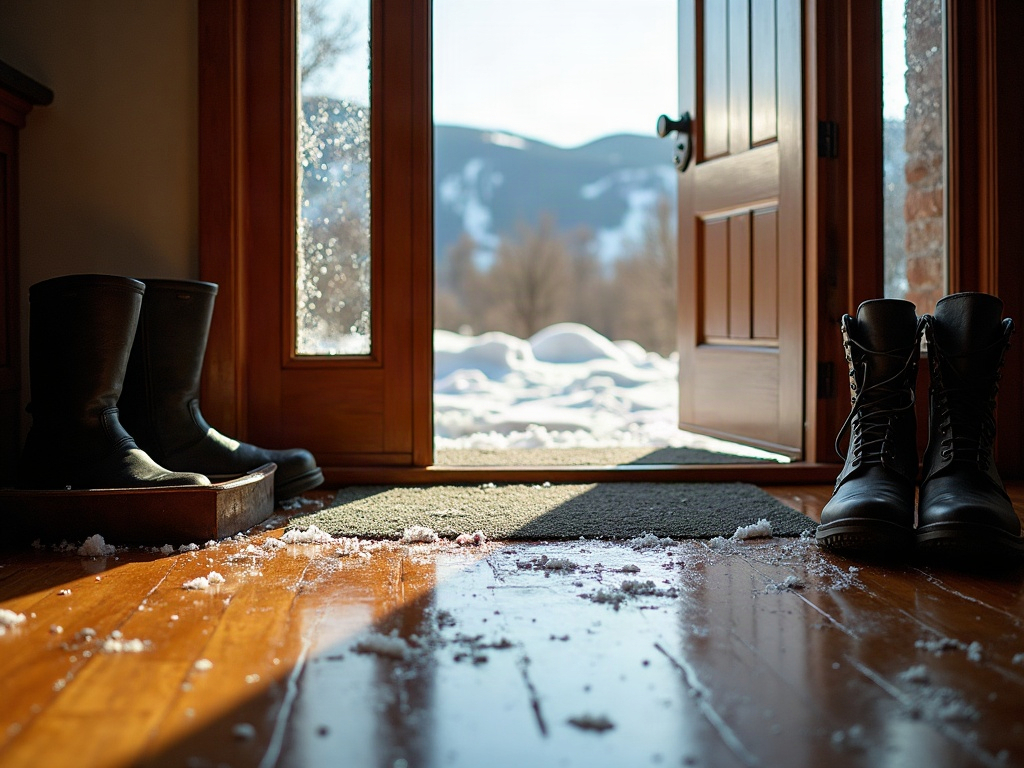
We start at the entry and work inward. This is a containment decision, not an arbitrary sequence. Everything tracked in from outside, including the fine Front Range particulate that accumulates on entry floors and baseboards between visits, sits at the threshold. If we clean bedrooms and living areas first and then move through the entry, we track that material into rooms we already finished. Entry and hallway floors, baseboards, light switches, and door frames get vacuumed, wiped, and mopped before any other room is touched. In Longmont homes near the older Hover and Prospect neighborhoods where hardwood entryways are common, this sequence protects the flooring work we will do later in the visit.
Before any liquid cleaner goes on any surface, we do a complete dry dusting pass through every room. Ceiling fan blades, light fixtures, the tops of cabinets, crown molding, window casings, door frames, and the upper shelves of any open shelving. We use dry microfiber cloths and extendable dusters for high surfaces. The sequence is top to bottom without exception. Dust that comes off ceiling fans lands on shelves below. Dust from shelves lands on counters and floors. Doing the dry pass before any wet cleaning means that dislodged material gets picked up in the floor-cleaning step rather than re-deposited onto surfaces we already wet-wiped. On Front Range homes in Erie's newer developments or near Berthoud's agricultural edges, where airborne particulate settles fast on horizontal surfaces, this pass removes a meaningful volume of material before the detail work begins.
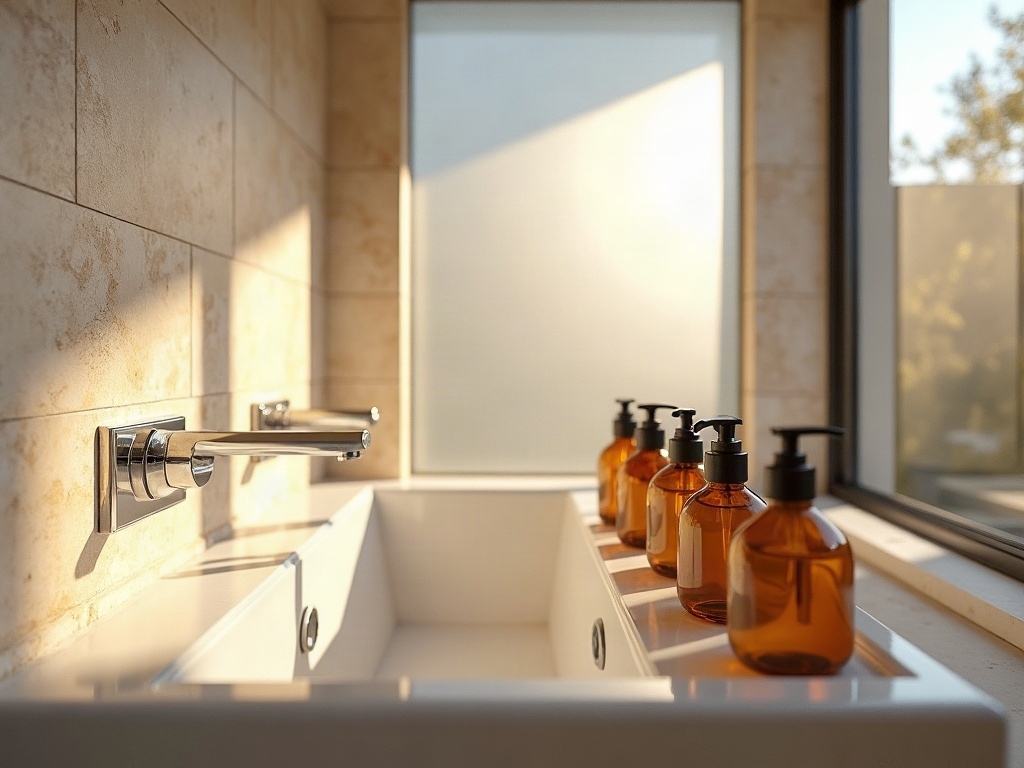
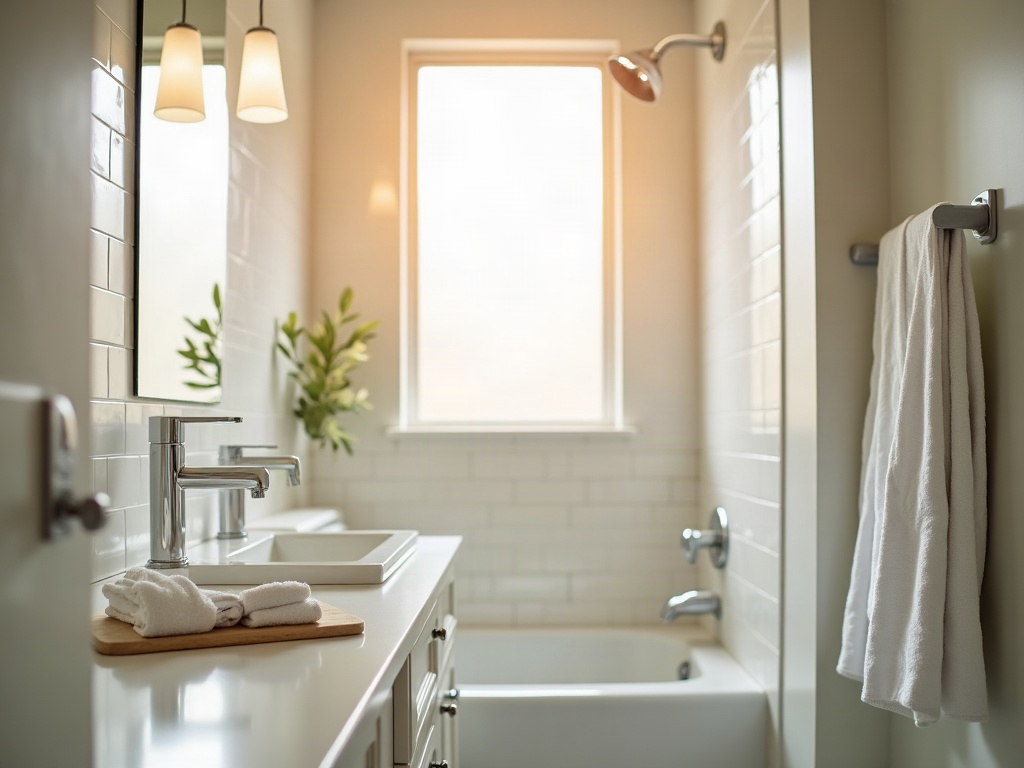
Every bathroom in the home gets the same sequence. Mirror cleaned with a fresh microfiber and a glass cleaner that leaves no residue. Countertop and sink basin scrubbed and disinfected, including the faucet base where soap and mineral deposits concentrate. The toilet cleaned inside the bowl with a disinfecting cleaner, then the exterior wiped down including the base and the back of the tank, which is where the most accumulation builds between visits. Shower walls and floors scrubbed, with dedicated attention to mineral scale on glass doors or chrome fixtures using a product appropriate for the surface type. Grout lines brushed in tile showers. Baseboards in the bathroom wiped with a damp cloth. Floor vacuumed to remove loose debris, then mopped. In homes with natural stone tile in the shower or on the floor, we use pH-neutral products only. Our post on what most homeowners skip when cleaning bathrooms covers the surfaces that tend to get missed even during thorough bathroom cleans.
The kitchen is the room where deep cleans add the most visible value over routine maintenance. The base scope on a deep clean covers everything the standard visit covers, plus the surfaces that accumulate over months rather than weeks. Countertops wiped and sanitized. Cabinet and drawer faces wiped down, including the pulls and knobs. Stovetop grates removed and scrubbed. Burner surfaces cleaned under and around the grates. Exterior of all appliances including the sides and tops of the refrigerator, which collects a heavy grease-and-dust layer in most active cooking households. The range hood exterior and underside cleaned, including the filter if it is the washable metal type. Sink basin scrubbed and the faucet base detailed. Microwave cleaned inside and out, including the vent screen. The base of the backsplash, where grease spray from the stovetop concentrates, gets specific attention. Floor vacuumed and mopped last, after all the counter and appliance work is done so that any material dislodged during that work gets picked up in the floor pass.
Every flat surface in each bedroom and living area gets dusted and wiped: nightstands, dressers, windowsills, shelves, entertainment units, and the tops of furniture. Mirrors cleaned. Blinds or window slats dusted. Light switch plates and outlet covers wiped down. Baseboards cleaned throughout, not spot-wiped as in a maintenance visit but cleaned fully along the entire length of each wall. This is the step that physically distinguishes a deep clean from a recurring maintenance visit. A well-maintained home on a bi-weekly schedule has baseboards that get spot attention. A home receiving a first-time deep clean has baseboards that may not have been fully cleaned in months or longer. Floors vacuumed on carpet, hard floors vacuumed first and then mopped with the appropriate product for the surface type. Beds remade if fresh linens are available.
If the oven interior or refrigerator interior is included as an add-on, those are handled during the kitchen portion of the visit. Oven interior cleaning requires a dedicated product with dwell time, which means the cleaner is applied, the team moves to other rooms while it dwells, and then the oven interior is scrubbed and wiped before the kitchen floor pass. Refrigerator interior cleaning involves removing all shelves and drawers, wiping the interior walls and surfaces, cleaning the removed components, and reinstalling them. Both of these add meaningful time to the visit and need to be requested at booking rather than added on arrival. Every team lead has been with us at least two years before they run a crew, which means the person directing the visit knows how to sequence these add-ons without disrupting the flow of the rest of the clean.
After all rooms are completed, we do a walk-through of the home. This is not a formality. It is the step where we catch anything the sequence missed: a baseboard section in a back bedroom that got partial attention, a mirror that needs a second pass, a floor edge near a door that was not fully mopped on the first pass. Trash is emptied and relined in every room. Any items moved during cleaning are returned to their original positions. The team checks that every surface meets the standard before leaving. If you have questions about the visit or specific areas you want us to confirm were addressed, the walk-through is the right moment to do that together. You can also reach us at 303-827-1251 before the visit to flag specific concerns so the team knows ahead of time.
We use pH-neutral cleaners on stone surfaces, hardwood floors, and engineered wood. An acidic cleaner on natural stone etches the surface. An alkaline cleaner used repeatedly on sealed stone strips the sealer faster than normal wear. A pH-neutral product cleans without affecting the surface chemistry, which is the correct standard for any sealed or finished material.
On bathroom tile and porcelain, we use a disinfecting cleaner appropriate for the surface. For hard water mineral deposits on shower glass and chrome, we use a product with enough acidity to dissolve the calcium scale but formulated to stay off the adjacent stone or grout where acid contact would cause damage. Application matters as much as product choice: targeted application on the affected surface, not a broad spray across everything in the shower.
We switched to biodegradable, pet-safe products across all of our residential accounts three years ago. The driver was straightforward: about 25 percent of our clients have pets or young children who contact floor surfaces directly, and we needed a product line that was appropriate for both the surfaces and the household members who live on those surfaces. This applies to every deep clean visit, not just accounts that specifically request it. Our post on what people get wrong about eco-friendly cleaning products and pets covers why product labeling alone does not tell you whether a product is actually safe in a home with animals.
For hardwood floors, we use a pH-neutral wood floor cleaner applied with a damp microfiber mop, wrung thoroughly so no standing water contacts the floor. No steam mops on hardwood. Steam drives moisture into the wood fibers and the gaps between boards in a way that causes swelling and finish separation over time, particularly in Colorado's dry indoor environment where the contrast between introduced moisture and low indoor humidity is more extreme than in humid climates. Our post on what most people get wrong about cleaning hardwood floors explains why the most commonly used floor cleaning products make this worse rather than better.
Microfiber is the default material for all surface wiping, dusting, and mopping. It picks up particulate rather than redistributing it, which matters more on the Front Range than in more humid climates because dry airborne particulate settles onto surfaces in higher concentrations here than in coastal or southeastern states.
A thorough deep clean of a 1,800 square foot home takes a trained team of two or three people roughly three to four hours to complete correctly. That includes the dry-dust pass, all bathrooms in full detail, the kitchen with range hood and appliance exteriors, full baseboard cleaning in every room, and complete floor care. A single person working alone on the same home in the same time takes shortcuts, whether intentionally or not, because the scope exceeds what one person can complete in that window without compressing something.
The areas that compress first are the ones that matter most for a deep clean: the high surfaces (ceiling fans, tops of cabinets), the low surfaces (baseboards, floor edges), and the detail work (grout scrubbing, faucet base cleaning, behind-appliance surfaces). Those are exactly the areas that separate a deep clean from a surface clean. A professional team working in parallel can cover the full scope in the available time. A solo effort covers the visible surfaces.
The other situation where DIY stops making sense is after extended accumulation. A home that has not had a professional deep clean in over a year has grease buildup on range hood surfaces, mineral scale on shower glass, and embedded grime in grout lines that require specific products with dwell time and mechanical scrubbing. Those steps are time-intensive and require product knowledge that most homeowners do not have because the surfaces involved are diverse enough that no single product handles all of them correctly.
For homes coming off a renovation, the post-construction scope exceeds a standard deep clean entirely. Construction dust is finer than household dust, settles into every gap and crevice, and contains compounds that require specific removal products and techniques. Our post on how to clean after a renovation before you move back in covers what that scope actually involves and why it differs from a standard deep clean.
For a sense of what a deep clean costs relative to a recurring maintenance visit, our post on recurring cleaning versus a one-time deep clean gives you a direct cost comparison and explains why the first visit is always priced higher than subsequent recurring visits. The Casabella services page also outlines what each service level includes if you want to compare scope before deciding. And if you want to see how deep clean pricing works across different home sizes, the post on pricing for large homes in Erie and Broomfield gives you grounded numbers for two of the faster-growing markets on the Front Range.
For allergy-affected households, the deep clean sequence above also addresses the surfaces where allergens concentrate most. Our post on cleaning for allergies on the Colorado Front Range covers the specific surfaces and habits that make the biggest practical difference for allergy-sensitive homes.
When you are ready to schedule a first visit, the booking page is the fastest way to get on the calendar. You can also visit our Longmont house cleaning page or the Boulder house cleaning page to see how we structure visits in specific communities across the Front Range.
A deep clean covers the surfaces that routine maintenance visits do not reach in their standard scope. Full baseboard cleaning throughout every room, not just spot-wiping. Ceiling fan blades and light fixture exteriors. Hard water mineral deposits on shower glass and chrome fixtures. Detailed scrubbing of grout lines in bathrooms. The range hood underside and exterior. Cabinet and drawer face wipe-down including pulls and knobs. Behind and beside appliances on kitchen surfaces. On a recurring maintenance visit, those surfaces are maintained on a rotation after the deep clean baseline is set. On the first deep clean, they are addressed fully regardless of their current condition. The difference in time is significant. A deep clean on a 3-bedroom, 2-bathroom home takes a professional team three to four hours. A recurring maintenance visit on the same home, once the deep clean baseline exists, typically runs ninety minutes to two and a half hours depending on frequency and home size.
For a 3-bedroom, 2-bathroom home in average condition, a professional team of two to three people typically takes three to four hours to complete a thorough deep clean. Larger homes in the 2,500 to 3,500 square foot range, common in Erie's Vista Ridge, Broomfield's Anthem Highlands, and newer Loveland and Berthoud developments, run four to six hours depending on layout, current condition, and how many bathrooms are involved. Homes that have not had a professional clean in a year or more take longer because more accumulated material needs to be addressed on each surface. Add-ons like oven interior and refrigerator interior cleaning add time to the kitchen portion of the visit. The most accurate estimate comes from submitting your home's details through the booking page before the visit is confirmed.
Clutter removal is the most useful preparation. Clear counters, nightstands, bathroom shelves, and floor areas of loose items that are not fixed in place. This gives the cleaning team direct access to every surface and means more time is spent cleaning rather than working around personal belongings. You do not need to pre-clean the home before a professional deep clean. Pre-cleaning the visible surfaces and leaving the less-visible ones untouched is counterproductive because it redirects the team's time toward surfaces that are already clean and away from the accumulated buildup in high-impact areas like grout lines, baseboard edges, and appliance surfaces. Secure any pets in a room or area that will not conflict with the team's movement through the home. Let us know at booking if there are specific rooms or surfaces you want prioritized so the team can plan accordingly.
For most homes on a recurring bi-weekly cleaning schedule, a dedicated deep clean once or twice a year is appropriate to address the surfaces that routine visits maintain but do not restore. Homes that are not on a recurring schedule and rely only on periodic one-time cleans benefit from a full deep clean scope every three to four months, depending on household size, pet presence, and how much outdoor particulate tracks in through the entry. Front Range homes near open agricultural land in Mead, east Erie, or the Berthoud area accumulate fine outdoor particulate faster than homes in more sheltered suburban settings, which can push the appropriate interval shorter. Our post on how Colorado's dry climate affects how often you should clean your home covers the accumulation patterns specific to this region and why the Front Range standard differs from more humid parts of the country.
A deep clean brings a home to a thorough livable baseline while the home is still occupied. A move-out clean covers the standard deep clean scope plus the interior of all appliances, the interior of all cabinets and drawers, window tracks throughout, full baseboard cleaning in every room, and light switch and outlet plate detail cleaning. Move-out cleans are scoped for an empty home where every surface needs to meet the condition standard required for a rental deposit return or a pre-sale inspection. In Colorado markets like Boulder and Loveland, where landlord expectations for move-out condition can be specific, the additional scope in a move-out clean is worth the added cost because a missed area can result in deposit deductions that exceed the cleaning cost. Our posts on move-out cleaning costs in Boulder and in Loveland cover what that scope runs in those specific markets.
If you want to put your home on our schedule, fill out the booking form with your home's details and we will confirm the scope and price before anyone arrives. We serve Boulder, Longmont, Lafayette, Louisville, Erie, Berthoud, Mead, Loveland, and Broomfield, and the process above is exactly what happens in every home we clean for the first time.