October 5, 2026

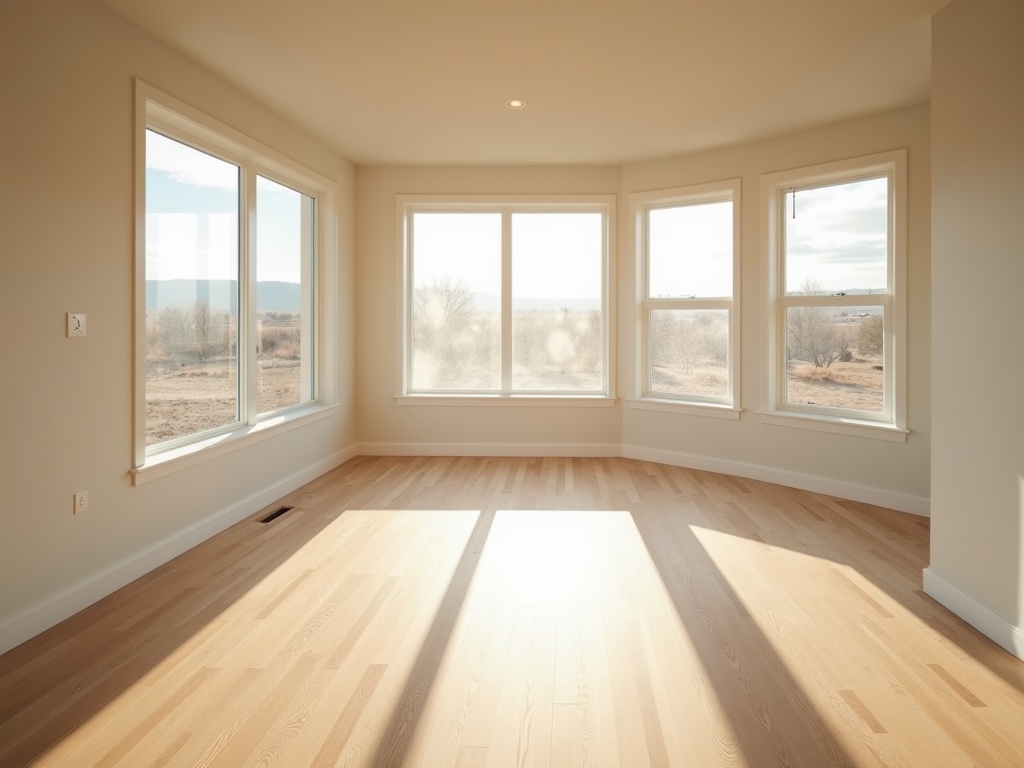
Walk into a brand-new home in Heritage Ridge or Prairie Star the week after your final walkthrough. Light hits the kitchen counter and the whole surface looks frosted. That's drywall dust. It's been settling the entire month it took to finish the home, it's in every cabinet, every drawer track, every HVAC vent, and the closing wave through Heritage Ridge and Prairie Star in spring 2026 has produced a steady stream of these calls. New homeowners think they can wipe it down. They can't. Not without making it worse.
Here's what's in post-construction dust in a Berthoud new build, why the sequence matters more than the cleaning itself, and what to do before you move in.
"Construction dust" is three different problems pretending to be one. Each one needs a different approach.
Mixed in: sawdust, joint-compound flakes, paint flecks, screws, the occasional drywall anchor in a vent. The builder's "clean" before walkthrough is a quick visual pass, not a real one.
The single most important thing on a post-construction job is what happens in the 24 to 48 hours before anyone wipes a surface. If you skip this part and go straight to wiping, you will spend twice as long and get half the result.
The sequence:
This is the same logic we use on post-renovation cleaning before you move back in after a partial remodel, just at a larger scale because new construction has more square footage to clear.
First pass is a HEPA-filtered vacuum, not a wipe. A damp cloth on heavy drywall dust turns it to paste that smears into texture and grout lines and is much harder to remove than the original. Vacuum every horizontal surface, every cabinet interior, every drawer, every closet shelf, every windowsill. Then wipe with damp microfiber and a pH-neutral cleaner.
The detail that catches most homeowners: vacuum the inside of every cabinet and drawer before you put anything into it. Drywall dust on a cabinet shelf transfers to dishes and clothes. We've come back a month after move-in to deal with what the homeowner sealed inside their cabinets by stocking them too soon.
New tile needs a separate product. Standard pH-neutral cleaner won't remove grout haze. The right product is a sulfamic-acid-based haze remover applied to tile only (not natural stone, which it damages), then neutralized with clear water. Read the label twice. Stone, marble, and honed surfaces have different rules. We test in a corner before going wide.
Patience is the answer here. Fresh caulk smear, within the first two weeks, comes off with a plastic scraper and isopropyl alcohol on a microfiber. After two weeks, it's cured and harder to remove without risking the finish underneath. If you're moving into a brand-new home, address this in the first ten days or budget extra time on a deferred cleaning later.
Floors are last, never first. Every step above deposits material on the floor. Vacuum with a HEPA vacuum, then mop hardwood and LVP with a barely-damp microfiber pad and pH-neutral floor cleaner. New tile floors get a separate haze pass before any sealer is applied.
The base scope of our standard residential service isn't the right fit for a true post-construction job. New construction is its own service category and runs longer than even a deep clean.
What we use on a Berthoud new build:
What we don't use: bleach, ammonia, citrus solvents, or strong solvent bases. Just-finished paint, sealed grout, and new plumbing fixtures react badly to harsh cleaners in the first month. We don't pressure-wash indoors either, even on tile.
We back the work with a 24-hour satisfaction guarantee on every post-construction job. Walk through after we finish, flag anything we missed, and we come back on our cost. We don't lean on that often, but a one-time job at this debris level is exactly where it should exist.
If you're closing on a Berthoud new build and trying to schedule the post-construction clean against the move-in date:
If you're closing in Berthoud or coming from a sale in Loveland or further out, the move-out side of the equation is its own job. We covered move-out cleaning cost in Loveland in a separate post.
They do a quick clean, not a deep clean. It's a visual pass that addresses what a buyer will notice during a 30-minute walkthrough. It does not address dust inside cabinets, drywall haze on horizontal surfaces, grout haze on new tile, or what's settled in HVAC ducts. Plan for a real post-construction clean separately, regardless of what the builder offers.
A 3,000-square-foot new home in Heritage Ridge or Prairie Star runs 8 to 14 person-hours, depending on how aggressive the dust load is and whether tile haze removal is included. We send enough team members to finish in one visit. Larger homes scale up. We quote each one against the actual square footage and finish package, not against a square-foot rate.
Yes, meaningfully. The HEPA vacuum loads, the consumables (microfiber pads burn through fast), the haze remover for tile, and the time required for cabinet and drawer interiors all push the price higher than a standard deep clean on the same square footage. Budget for it as part of the closing costs on a new build, not as a regular cleaning expense.
Drywall dust hiding in ducts and crawl spaces will work back out for two to four weeks after move-in. This is normal. A follow-up clean a month after move-in catches it, and a fresh HVAC filter at the same point in time finishes the job. Most Berthoud new-build owners we work with go on bi-weekly recurring service after that, which keeps the rebuild from ever being noticeable again.
You can, with the right equipment and four to six full days. The drywall dust on a 3,000-square-foot home is more than a typical shop-vac filter can handle without venting the fines back into the room. If you have HEPA equipment, the time, and the patience, the job is doable. If not, the math usually favors hiring it out and using your time for the move itself.
Post-construction cleaning books up fast at the end of each month when the closing wave hits Berthoud. Book online with the address and closing date, or call 303-827-1251 to walk through what your build needs. Our quick FAQs about how we work cover the basics. Related: how Colorado's dry climate affects cleaning frequency, open-space dust on the Front Range for new builds backing to undeveloped land, and what most homeowners skip in bathrooms.