October 8, 2026

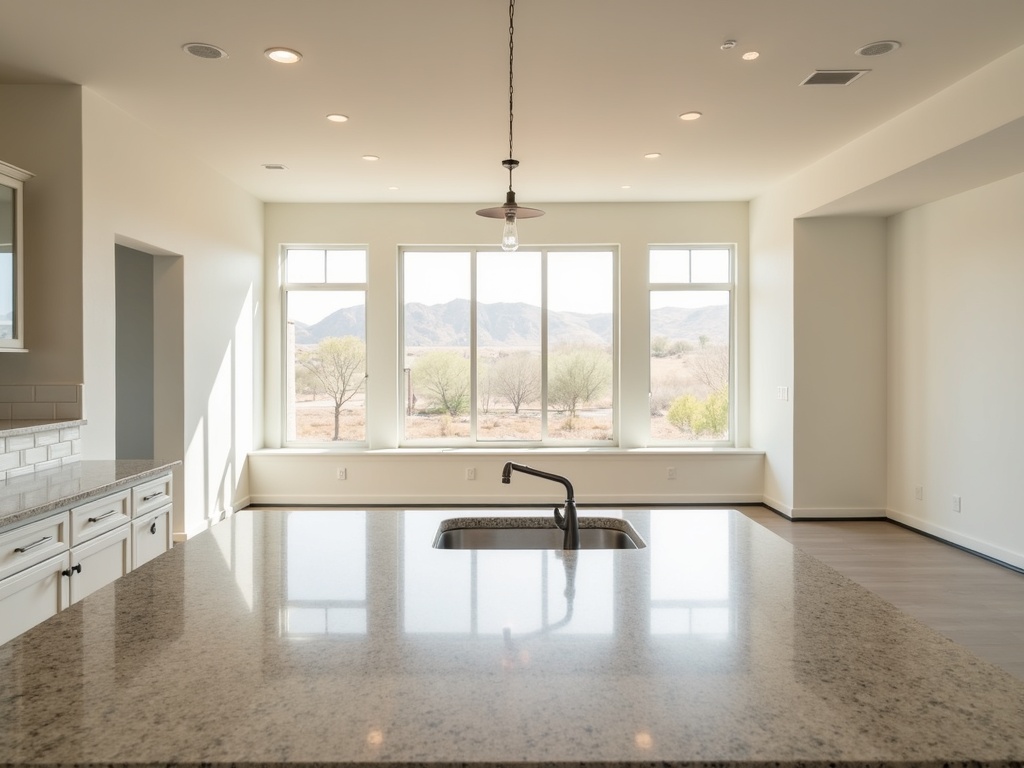
If you just finished a renovation in Erie, the dust you can see is the smaller half of the problem. Erie Highlands, Vista Ridge, and the build-out off Compass have been turning over fast through 2025 and 2026, and post-renovation calls are the busiest part of our spring 2026 schedule. Most of those calls come from homeowners who already tried to clean it themselves over a weekend and realized by Sunday night that the dust kept coming back.
Drywall and saw dust don't behave like household dust. They're alkaline, abrasive, fine enough to ride air currents for hours at Erie's 5,000-foot elevation, and they hide in places a normal vacuum doesn't reach. Cleaning after renovation is a real project, not a long Saturday. This is the order we run, the spots that get missed when homeowners do it themselves, and where outside help actually changes the outcome.
Three mistakes show up on almost every call we get for a do-over after a homeowner attempt:
The other thing nobody plans for is how long the dust stays in the air. We've covered the broader pattern in post-construction dust in Berthoud's new neighborhoods, and the same physics applies to a remodel in an existing home. Dry air, fine particles, long settling times. A surface you wiped at 9 a.m. has visible film by 3 p.m.
Change the furnace filter the moment work ends. Run the system for 30 to 60 minutes with the new filter in. Change it again. The second filter usually pulls out more than the first, because surface cleaning the rest of the home stirs up dust that gets pulled through the return. Keep replacing on a faster cadence (every 30 days) for the first three months after a remodel.
Light fixtures, ceiling fans, the tops of cabinets and door frames, the top of the trim. All of it before any horizontal surface lower down gets touched. Remove and rinse vent covers, both supply and return. The amount of drywall dust caked on a return vent cover after a remodel surprises homeowners every time.
Walls hold a thin film of dust after a remodel, especially flat-finish paint. A microfiber sponge mop slightly damp with a pH-neutral cleaner pulls it off without leaving streaks. Don't skip baseboards. They get a layer of dust thick enough to feel through a cloth.
Carpet, upholstery, drapery, mattresses if they were in the home during work, and rugs. A HEPA-filter vacuum catches and contains particles that a standard vacuum recirculates back into the air. Most rental shop-vacs aren't HEPA. We carry HEPA units on every post-renovation job for this reason. Carpet usually needs two slow passes in opposite directions to release embedded dust.
Vacuum first, every time. Mopping over un-vacuumed drywall dust is the single fastest way to ruin a floor's appearance. Once the dust is up, damp-mop with a pH-neutral cleaner. On hardwood, keep the pad barely damp. On tile, hit grout lines with a stiff brush. On luxury vinyl plank, watch for spots where adhesive squeezed up between boards during install. That cleans up better with a plastic scraper than any solvent.
If cabinets or drawers were open during the work, dust settled inside. Pull everything out, wipe shelves and drawer bottoms with a damp microfiber, and let air-dry before anything goes back. Don't restock dishes, food, or linens until interiors have been wiped. Eating off a plate that's been sitting in a drawer of drywall dust is a complaint that comes up more than it should.
Renovation work leaves a film on glass from off-gassing adhesives, paint mist, and caulk. Standard glass cleaner streaks over that film. A razor-blade scraper held at a low angle takes the spots off, then glass cleaner and a clean microfiber finishes it. Window tracks need a brush attachment and a damp wipe. They collect more dust than the glass.
Equipment is what makes a post-renovation clean different from a normal clean. We bring HEPA-filter vacuums, sealed dust-collection bags, microfiber pads in higher quantities than a routine job, telescoping dusters for high spots, plastic scrapers for adhesive squeeze-out, and razor scrapers for glass. Products stay simple: pH-neutral all-purpose for most surfaces, a glass-rated cleaner, a non-acidic grout cleaner if tile work was part of the remodel.
What we don't use: shop vacs without HEPA filtration, ammonia-based cleaners around fresh paint, and any abrasive powder on new finishes. Fresh paint takes 30 days to fully cure, and aggressive cleaning during that window leaves marks that won't lift later.
Every post-renovation visit we run is backed by our 24-hour satisfaction guarantee. If something doesn't hold up the next day, we come back and address it. On a one-time deep clean of this size, that matters.
A homeowner with the right tools and a free Saturday and Sunday can get through a post-renovation clean on a small project. The math changes fast:
Pricing on this kind of work overlaps with what's in what house cleaning costs in Erie for a deep clean, with adjustments for the dust load. If you're moving out of one home and into a freshly renovated one, see the related guides on move-out cleaning cost in Boulder and move-out cleaning cost in Loveland for what to expect on the other end.
For a 2,500 to 3,500 square-foot Erie home with a kitchen-and-bath remodel, plan on a full crew working most of a day, sometimes split across two visits if the dust load is heavy. Whole-house remodels or new construction typically need two visits, the second 24 to 48 hours after the first to catch dust that settles after the initial reset.
Sometimes, but ask first. A standard cleaning kit doesn't include HEPA vacuums, razor scrapers, or the dust-load-rated microfiber inventory needed to handle a remodel. If your regular cleaner doesn't bring that equipment, you're paying them to redistribute dust around the home. We bring the right kit on every post-renovation job and quote it separately from a standard recurring service.
After the contractor's final walk-through and any punch-list paint touch-ups, but before furniture and belongings come back into the home. Cleaning around boxes adds time and reduces quality. If the remodel was lived-in, schedule the clean for a day you can be out of the home for six to eight hours.
Two reasons. The HVAC system is recirculating dust from the ductwork, or the original cleaning didn't fully reset the home and stirred-up dust resettled on already-cleaned surfaces. The fix is a second pass after the system has run for a day with a fresh filter. We covered the broader principle in how the dry climate affects how often to clean and in the related post on front-range dust around open space.
Yes. Drywall dust is alkaline and abrasive, so we keep it dry as long as possible (vacuum, don't sweep) and avoid mopping over un-vacuumed surfaces. Microfiber pads get bagged separately so we're not bringing drywall dust to the next home. Different routine, different consumable pace, same crew.
If your remodel is wrapping up and the prospect of cleaning it yourself is what's standing between you and moving back in, that's what this work is built for. Book online with the project details and we'll come back with a quote within a business day. If you'd rather walk through it first, call 303-827-1251. Our house cleaning service in Erie covers the full town and surrounding rural addresses, and what's in our standard cleaning service sets the baseline a post-reno clean builds from. There are quick FAQs about how we work if you'd rather read first, and our crews clean the Erie Highlands and Vista Ridge homes we work in after renovations every week.