October 12, 2026

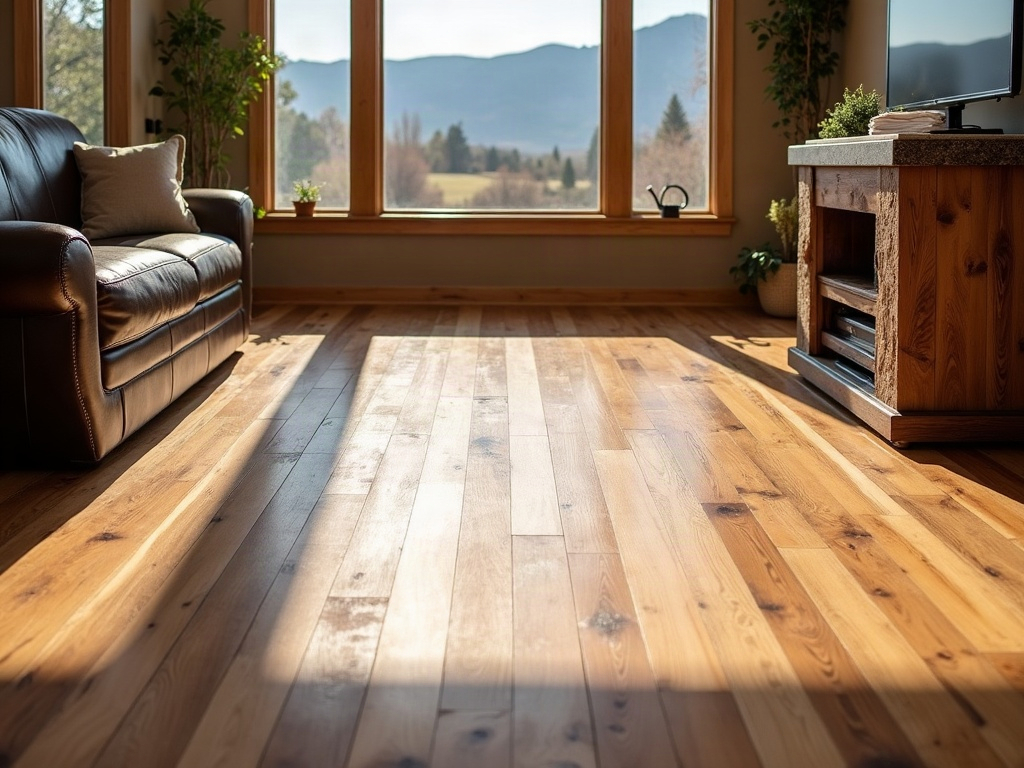
A few weeks ago we finished a deep clean in Lafayette's Indian Peaks neighborhood, and the homeowner had a beautiful home: soapstone-edged kitchen island, brushed stainless appliances, and wide-plank acacia floors throughout the main level. She had been cleaning everything with the same all-purpose spray. The stone had a dull haze. The wood finish looked cloudy near the sink. The stainless had streak patterns that no amount of wiping improved. None of it was damaged beyond recovery, but every surface was heading in the wrong direction because the products and techniques were wrong for the materials.
High-end finishes are not difficult to maintain. They are unforgiving of the wrong approach. This post walks through the most common mistake homeowners make on each of these surfaces, then gives you a step-by-step process for each one, explains what products we use and why, and tells you where the DIY approach stops being worth it.
On marble, the most destructive error is using acidic cleaners. Vinegar, citrus-based sprays, and most general-purpose bathroom cleaners are acidic enough to etch the calcium carbonate in the stone. The etching shows up as a dull, matte spot that looks like a water stain but does not wipe off. It is a surface-level chemical change, not a residue. Once etching occurs, the only correction is professional polishing.
On stainless steel, the mistake is almost always wiping against the grain or using too much product. Both produce streaks that look like a cleaning failure even though the surface is technically clean.
On exotic wood, the error is moisture. Water left on the surface, or worse, mopped on with a wet cloth, penetrates the finish and raises the grain over time. Acacia, tigerwood, Brazilian cherry, and similar species with open grain structures are more sensitive to moisture than domestic hardwoods, and the finish damage compounds with each over-wet cleaning pass.
What ties all three mistakes together is using the same product and technique on every surface in the home. That approach works fine on laminate and ceramic tile. It works against you on premium materials.
Before touching any product to a surface, confirm the material. Marble and quartzite look nearly identical to untrained eyes, but quartzite tolerates mild acids without etching while marble does not. Engineered stone (quartz composite) has a resin binder that reacts poorly to bleach and some alkaline cleaners. Exotic wood floors may have a factory-applied urethane topcoat, a penetrating oil finish, or a wax finish, and each requires a different maintenance approach. If you are not certain, contact the installer or manufacturer before using any product beyond plain warm water on a damp cloth. Getting the material identification right takes two minutes and protects a surface that may have cost thousands of dollars.
Remove everything from countertops and wipe surfaces dry before applying any cleaner. On marble, wet product applied over crumbs or grit acts as a mild abrasive. On exotic wood floors, dry-dusting with a microfiber flat mop before any damp pass removes the fine particulate that scratches the finish when pushed around with a wet mop. This step takes less time than fixing the damage from skipping it.
For marble countertops and floors, use a pH-neutral stone cleaner only. We use Miracle Sealants Stone and Tile Cleaner because it is pH-balanced, leaves no residue film, and is safe for polished, honed, and leathered marble finishes. Apply to a microfiber cloth, not directly to the stone. Spray-on application to a horizontal surface creates pooling at the edges and low spots where the product dwells longer than intended.
For stainless steel, apply a dedicated stainless cleaner to a microfiber cloth and wipe parallel to the grain. One to two short bursts per appliance panel is enough. More product does not produce a cleaner result. It produces a streakier one.
For exotic wood floors, use a manufacturer-approved hardwood floor cleaner diluted to the recommended ratio. For urethane-finished floors, Bona Hardwood Floor Cleaner is our standard. It is pH-neutral, dries fast in Colorado's low-humidity environment, and does not leave residue that dulls the finish over repeated use. We avoid Murphy Oil Soap on exotic hardwoods because the soap residue builds up on the finish surface and creates a haze that requires a dedicated residue-removal treatment to reverse.
On marble, wipe in straight overlapping passes with light pressure. Do not scrub. The cleaning action comes from the product dissolving the residue, not from abrasion. On grout lines adjacent to marble tile, use a soft-bristle brush only, never a green scrubbing pad, which scratches the stone surface along the grout border.
On stainless steel, wipe only in the direction of the grain (the faint parallel lines visible at an angle in direct light) and overlap each pass by about half the cloth width. Use light, consistent pressure. Heavy pressure compresses product into the grain and recreates the same streaking problem as excess liquid.
On exotic wood, use a barely damp microfiber flat mop. Wring the mop head to the point where it feels almost dry to the touch. Damp, not wet, is the operating standard for every exotic wood species we clean. Work with the grain direction and avoid letting any section of floor stay visibly wet. In Lafayette homes where winter air often drops below 20 percent relative humidity, floors dry in seconds when the mop is properly wrung. This is an advantage. Use it.
Follow every wet pass on marble and stainless with a dry microfiber buff before the cleaner air-dries on its own. On marble, air-dried cleaner leaves a faint haze even with a pH-neutral product because the mineral content in tap water deposits as the water evaporates. On stainless steel, the buffer step separates a streak-free result from one that looks acceptable in low light but hazy in direct sunlight. Front Range homes get significant direct southern exposure through most of the year, and every surface imperfection shows clearly on a bright day.
On exotic wood floors, no separate buff is needed if the mop was properly wrung. A well-applied damp mop on a urethane-finished floor dries within seconds and leaves no residue requiring a second pass.
Marble countertops in active kitchens benefit from a penetrating sealer applied once or twice a year. A properly sealed marble surface resists liquid penetration and gives you a few extra seconds to wipe up acidic spills (wine, citrus juice, tomato) before they etch the stone. The sealer does not prevent etching if a spill sits. It buys you time. We recommend StoneTech BulletProof Sealer for polished marble in kitchen settings because it penetrates without leaving a surface film and holds up in high-use areas longer than lighter-duty sealers.
For stainless steel in high-contact areas like refrigerator handles and dishwasher pulls, a drop of food-grade mineral oil buffed with the grain after cleaning creates a thin barrier that slows fingerprint accumulation. Apply sparingly. Too much attracts dust and defeats the purpose.
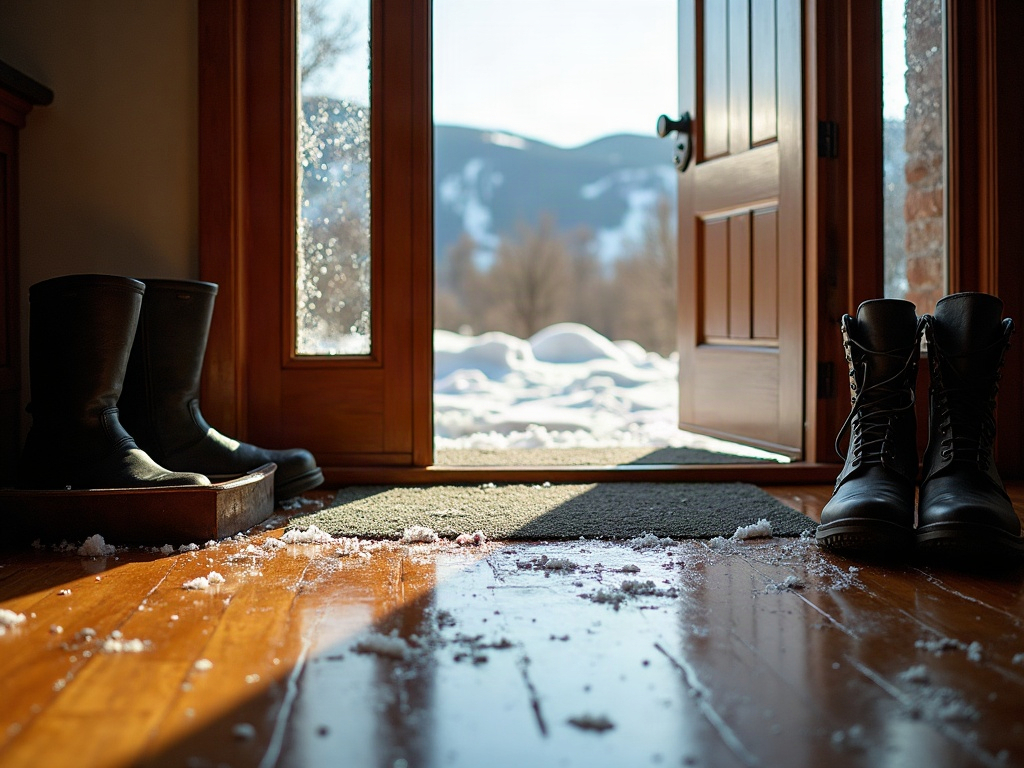
For exotic wood floors, area rugs at high-traffic entries and under dining chairs protect the finish in the spots most prone to abrasion. Entry rugs in Lafayette homes where outdoor grit from Coal Creek Trail and the surrounding open space gets tracked inside are particularly effective at keeping abrasive particulate off the floor surface between cleaning days.
The product list matters more on high-end finishes than on any other surface in the home. Using the wrong cleaner once on marble or an exotic wood floor does not always cause immediate visible damage, but the cumulative effect of repeated wrong-product applications shows up as dulling, hazing, and finish degradation that professional restoration is required to reverse.
On marble, we avoid all of the following without exception: vinegar, citrus-based cleaners, bleach, hydrogen peroxide, and any all-purpose spray with a pH below 7. We also avoid any product marketed as a grout cleaner that is not explicitly labeled safe for natural stone. Many grout cleaners are highly acidic. Applied to grout lines adjacent to marble tile, they etch the stone edge where the two materials meet.
On stainless steel, we avoid ammonia-based glass cleaners, powder cleansers, abrasive scrubbers, and bleach-based products. Bleach damages the chromium oxide layer that gives stainless steel its corrosion resistance. That damage is not reversible without professional refinishing.
On exotic hardwoods, we avoid steam mops entirely. Steam forces moisture into the wood at a temperature and pressure that bypasses even a well-applied urethane finish. The wood swells, the finish separates from the substrate, and the boards cup or buckle in the worst cases. We see the aftermath of steam mop use in probably a quarter of the Lafayette homes we first visit that have exotic hardwood floors. It is the single most common floor finish mistake in our service area. Our post on what most people get wrong about cleaning hardwood floors covers this in more detail alongside the other technique errors that shorten floor finish life.
We also avoid furniture polish on wood floors. Products like Pledge contain silicone compounds that build up on the finish, create a slippery surface, and make future professional refinishing more difficult because the silicone contaminates the new finish application.
For homes with pets or young children, product safety is an additional layer of the product selection decision. Our post on what people get wrong about eco-friendly cleaning products and pets covers how surface-specific product choices intersect with household chemical safety for pets and children.
Most routine maintenance on marble, stainless, and exotic wood is genuinely manageable at home with the right products and technique. There are clear situations where it is not.
Marble that has been etched by acidic cleaners cannot be corrected by any cleaning product. The surface requires mechanical polishing with diamond abrasive pads to restore the finish. This is a stone restoration job, not a cleaning job. If you have dull matte spots on a marble countertop that appeared after cleaning and did not wipe off, that is etching. No cleaner reverses it.
Marble and stone grout that has been stained by prolonged exposure to wine, oil, or hard water mineral deposits responds poorly to DIY attempts because homeowners typically reach for the first product that seems strong enough, which is usually acidic. The product damages the stone while doing a partial job on the grout stain. Professional stone restoration with the correct alkaline-based poultice treatment and a sealer reapplication is the right sequence for this situation.
Exotic wood floors with visible finish failure (white hazy spots from moisture, peeling at seams, or cupping boards) require a flooring contractor, not a cleaning pass. No cleaning product addresses structural wood or finish damage. Attempting to clean a cupped or peeling floor with any damp product accelerates the damage.
Stainless steel that has been scratched by abrasive tools can be partially refinished with a kit, but the technique requires exactly matching the grain direction and pressure. Done incorrectly, the repair is more visible than the scratch it was meant to address. Scratched stainless on high-end appliances is often better left to an appliance refinishing service than a DIY repair kit attempt.
Beyond those specific situations, there is a general threshold where surfaces that have been cleaned incorrectly for a period of time need a professional reset before routine maintenance becomes effective again. Product residue buildup on marble from repeated all-purpose cleaner use, silicone film from furniture polish on exotic hardwood floors, and layered surfactant buildup from wrong stainless cleaners all require a corrective professional pass before standard maintenance will produce clean results. We do this type of corrective first clean regularly for new clients across Lafayette, Louisville, and Coal Creek Ranch. The Lafayette house cleaning page covers how we structure that first visit for homes in this area.
For context on what a first deep clean typically costs relative to ongoing service, our post on recurring cleaning versus a one-time deep clean walks through the pricing difference and what drives it. And if you are wondering whether standard or premium service is the right fit for a home with high-end finishes, the post on standard versus premium cleaning explains the distinction clearly.
Our retention rate sits at 98 percent, and most clients who leave do so because they have moved out of the service area, not because the results stopped meeting expectations. That consistency matters especially for homes with premium finishes where the wrong product on the wrong visit causes a problem that lingers long after the visit is over. Stability in who cleans your home, and in what products they use, is worth more on marble and acacia than it is on tile and laminate.
If your home in Lafayette has premium surfaces and you want to talk through how we approach them before scheduling, you can reach us at 303-827-1251 during business hours. For an overview of what we cover across all visit types, the Casabella services page has the full scope. You can also read more about our team and background on the about page before deciding.
Use only a pH-neutral stone cleaner on marble. Anything acidic, including vinegar, citrus sprays, and most general-purpose kitchen cleaners, etches the calcium carbonate in the stone and creates dull matte spots that no cleaning pass removes. We use Miracle Sealants Stone and Tile Cleaner on marble in the Lafayette homes we service because it is pH-balanced, leaves no film residue, and works on polished, honed, and leathered finishes. Apply it to a microfiber cloth rather than spraying directly onto the counter. Colorado's dry climate means product dries fast on horizontal stone surfaces, so working in sections and buffing dry immediately with a second cloth prevents mineral deposits from tap water leaving a haze as the product evaporates. Seal polished marble countertops once or twice a year with a penetrating sealer like StoneTech BulletProof to extend the time you have to wipe up acidic spills before they etch.
No. Steam mops force pressurized moisture into wood at a temperature that bypasses even a well-maintained urethane finish. The wood absorbs the moisture, swells, and in persistent cases the boards cup or the finish separates from the substrate. This damage is structural, not cosmetic, and no cleaning product or technique reverses it once it occurs. The correct approach for exotic hardwood floors, including acacia, tigerwood, and Brazilian cherry common in Lafayette homes in Indian Peaks and Coal Creek Ranch, is a barely damp microfiber flat mop wrung nearly dry, with a manufacturer-approved hardwood floor cleaner diluted to the correct ratio. In Lafayette's dry winter air, a properly applied damp mop dries within seconds and leaves no moisture sitting on the floor surface. Our post on what most people get wrong about cleaning hardwood floors covers this and the other technique errors that shorten floor finish life.
Dull spots on marble that do not wipe off are almost always etch marks, not stains. Etching is a surface-level chemical reaction between an acidic substance and the calcium carbonate in the stone. Common causes are vinegar-based cleaners, citrus sprays, wine, citrus juice, and most general-purpose bathroom or kitchen sprays. The acid dissolves a microscopic layer of the stone surface, leaving a matte area that reflects light differently than the surrounding polished finish. This is not a residue. It is a change to the stone itself, and no cleaner removes it. Correction requires mechanical polishing with diamond abrasive pads by a stone restoration professional. To prevent future etching in Lafayette homes, switch to a pH-neutral stone cleaner only, and apply a penetrating sealer to polished marble annually. Sealing does not make marble acid-proof, but it slows liquid penetration and gives you more time to wipe up spills before they etch.
For Lafayette homes with marble countertops, exotic hardwood floors, and stainless steel appliances in active use, a professional deep clean every four to six weeks keeps the surfaces in good condition without allowing residue or product buildup to compound into a harder correction job. Monthly service is the most common arrangement for our clients in Lafayette's Indian Peaks and Coal Creek Ranch neighborhoods. Between professional visits, the right daily maintenance on each surface is straightforward: pH-neutral cleaner on marble, a barely damp microfiber on exotic wood, and a grain-direction wipe with a dedicated stainless cleaner on appliances. What shortens the time between professional visits is using the wrong product at home, because residue from an inappropriate cleaner accumulates faster than household dust does and creates a surface condition that looks dirtier at a shorter interval. The Lafayette house cleaning page outlines how we structure recurring visits for homes in this area.
The most important question to ask is what specific products they use on stone, wood, and stainless steel surfaces, and whether those products differ by surface. A service that uses the same all-purpose cleaner on every surface in the home has not thought through material compatibility. For marble, the product must be pH-neutral. For exotic hardwood, it must be manufacturer-approved and applied with a nearly dry mop. For stainless steel, it must be a dedicated stainless formula that rinses clean without leaving surfactant buildup. Ask whether the same crew is assigned to your home consistently. Surface-specific technique on premium materials benefits from familiarity with your home. A crew that has cleaned your marble and wood before knows the grain direction, the finish type, and which products are already in the home. Ask whether the company is insured and background-checked. You can book a first visit online and we will confirm the products and scope for your home before anyone arrives.
If your Lafayette home has marble, exotic wood, or stainless that needs a proper reset or you want a crew that treats those surfaces correctly every visit, get your details into our booking page and we will confirm scope and pricing before we send anyone out.