October 22, 2026

End-of-lease season in Longmont runs hard from late May through August. By the time June arrives, our crews are rotating through Prospect, Hover, and the older rental blocks near downtown almost every week. The pattern is consistent: tenants who put serious thought into the move-out clean get their deposits back. Tenants who treat it like a standard tidy-up usually hear from their landlord about charges.
The difference is not effort. It is knowing exactly where landlords look and what a professional clean covers that a rushed self-clean does not. This post walks through the process step by step so you can hand over those keys with confidence.
The common mistake is cleaning what is visible and skipping what is overlooked during daily life. Countertops get wiped. Sinks get scrubbed. But the items that actually generate deposit deductions tend to be the ones that nobody noticed accumulating over months or years.
Baseboards collect dust and scuff marks that become obvious once furniture is gone and the room is bare. Window tracks trap years of debris, dead insects, and grime. Ceiling fans develop a thick coat of dust that shows clearly under inspection lighting. Oven interiors with baked-on grease are one of the most consistently flagged items we see on deduction lists. Bathroom grout that has darkened from soap scum and mildew gets flagged when landlords run their own inspection.
None of these are hard to address if you go in with a plan and the right products. All of them are easy to miss if you are cleaning exhausted after a full day of moving boxes.
The other common error is cleaning in the wrong order. Dusting ceiling fans after mopping floors puts debris right back on the surface you just cleaned. Wiping countertops before cleaning upper cabinets means crumbs fall where you already worked. Order matters as much as effort.
Every item needs to be out of the home before cleaning begins. Furniture left in rooms blocks access to baseboards, floor corners, and the floor under beds and sofas. Boxes stacked near walls limit how thoroughly you can wipe down those walls. Closets with remaining items cannot be properly cleaned. When landlords inspect a Longmont rental, they are looking at the home empty. Clean it the same way. If moving out in stages, finish all furniture and boxes first, then clean. Cleaning around possessions and then moving them out is a reliable way to miss spots the landlord will find.
Ceiling fans come first. Use a dry microfiber cloth for the first pass on fan blades, then follow with a damp cloth. Dust dislodged from fans and upper light fixtures falls to the floor and onto lower surfaces. If you start on floors or countertops first, you are cleaning them twice. Work in a fixed sequence: ceiling fan and light fixture, then upper shelving and cabinet tops, then mid-level surfaces, then baseboards, then floors last. Stick to this order in every room and you avoid redoing work you already completed.
The stovetop and oven get the most scrutiny in any rental kitchen. Stovetop grates and burner caps need to soak in hot soapy water before scrubbing. Baked-on grease on the stovetop surface responds to a degreaser left to dwell for several minutes before wiping. The oven interior requires a dedicated oven cleaner applied and left overnight, then scrubbed the following morning. Cabinet exteriors get greasy over time from cooking steam, especially the faces near the stove. Wipe them with a degreaser on a microfiber cloth. Refrigerator exteriors, dishwasher, and microwave exterior should all be wiped down. The inside of the refrigerator is not always a landlord requirement, but if the fridge smells or has visible residue, include it.
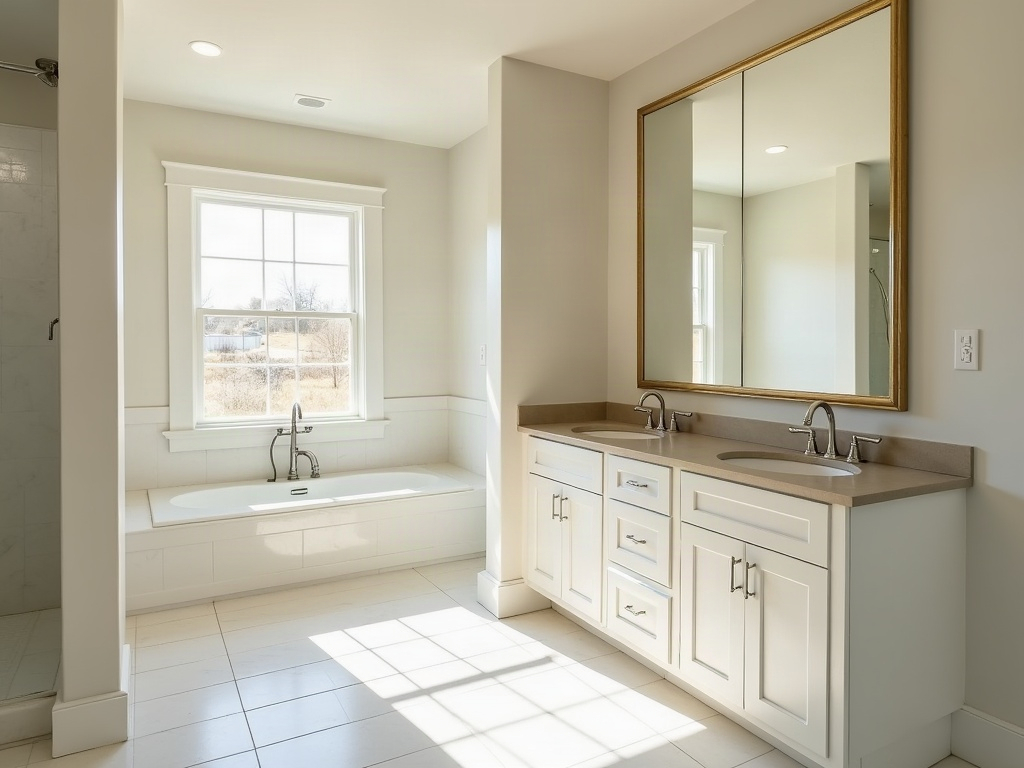
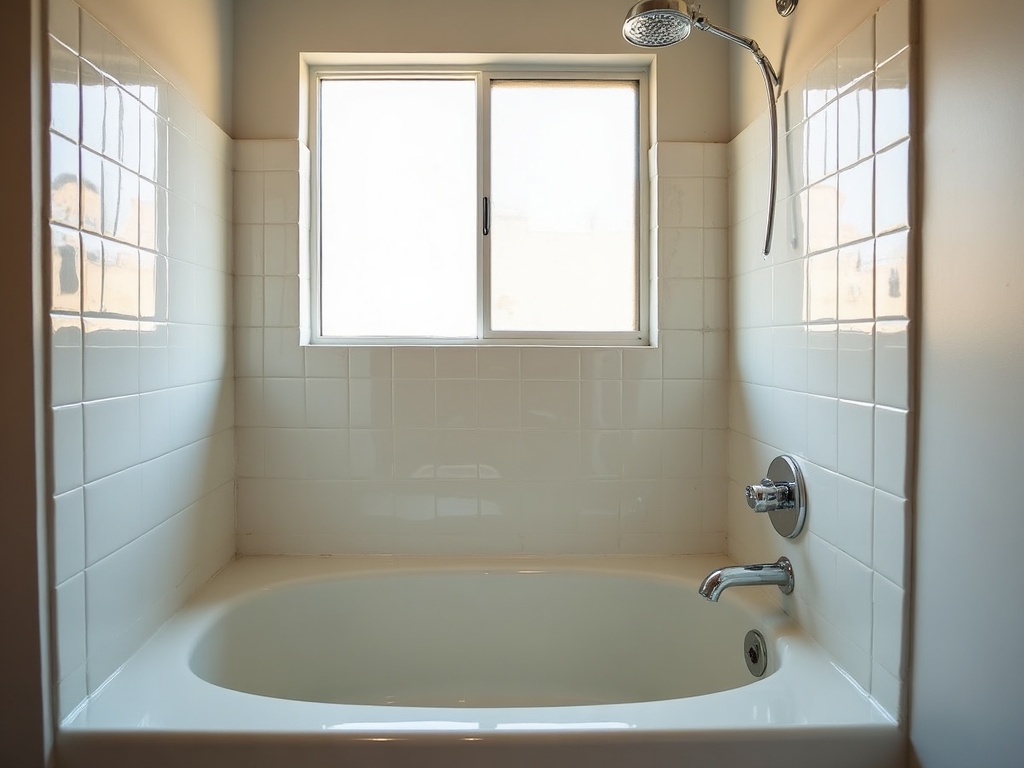
Bathrooms require the most time per square foot of any room in a rental. Toilet cleaning means the full exterior, the base where it meets the floor, the seat hinges, the tank lid, and the bowl with a proper toilet brush. Tub and shower tile should be scrubbed with a non-abrasive cleaner, paying attention to the grout lines, which are where landlords in Longmont's older downtown rentals most often note issues. Shower glass or curtain rods get soap scum and water mineral deposits. A diluted white vinegar solution on shower glass cuts mineral buildup effectively, but avoid using it on natural stone tile. Wipe every fixture, mirror, and vanity surface. Check under the sink for any forgotten items or residue.
This is the step most self-cleaning tenants skip entirely. Baseboards throughout the home accumulate dust, scuff marks from furniture, and grime that becomes much more visible once the rooms are empty. A damp microfiber cloth with a small amount of all-purpose cleaner covers most baseboards efficiently. Window tracks are the other consistently missed item. Use a narrow brush or a cotton swab to loosen debris in the track channel, then vacuum it out and wipe with a damp cloth. Door frames, particularly the top edge, carry a surprising amount of dust. Wipe every door frame in the home, including closet doors. If the lease required wall cleaning, address scuffs and marks with a magic eraser before doing a full wipe-down of marked areas.
With all overhead and wall work complete, floors are ready. Vacuum all carpet thoroughly, including closets and the perimeter along baseboards where hair and debris accumulate. For hard floors, vacuum before mopping. Mopping debris without vacuuming first pushes it around rather than removing it. Use the correct cleaner for each floor type. Hardwood floors in older Longmont homes near downtown need a pH-neutral cleaner applied to the mop head rather than sprayed directly onto the floor. Tile floors tolerate an alkaline cleaner. Laminate should be cleaned with as little moisture as possible. Let hard floors dry fully before the inspection.
Go through every room with the original lease or move-in checklist. If the lease specifies particular cleaning requirements, verify each one. Check the original move-in condition report if you have it and confirm that items documented as pre-existing damage are still clearly identified. Take photos of every room, every bathroom, the oven interior, and any area where the previous condition was noted. Time-stamped photos taken immediately after cleaning give you documentation in case a landlord dispute arises. Longmont rental law requires landlords to provide an itemized deposit deduction list within 30 days of the lease end. Photos protect you against charges that do not reflect the condition you left the property in.
Product choice matters in a move-out clean, and the wrong cleaner on the wrong surface creates new problems. Using an abrasive scrubber on older Longmont rental bathtubs with a porcelain finish scratches the surface and can itself become a deduction issue.
We use a plant-based multi-surface cleaner for general surfaces including countertops, cabinet faces, and bathroom vanities. It cuts through the residue of daily use without leaving a film that attracts new dust. Three years ago we switched our full product line to biodegradable, pet-safe formulations. The move made sense for us because a significant share of our clients have pets or young children on the floor, and we did not want cleaning product residue to be a concern in those homes.
For oven interiors, a commercial oven cleaner with a dwell time is the only product that genuinely removes baked-on grease. Baking soda paste works for light residue but does not cut through heavy buildup from years of use. For shower glass with hard water mineral deposits, a white vinegar solution applied on a cloth and left for five minutes before wiping handles most of what Colorado's hard water leaves behind. Avoid vinegar on natural stone tile or freshly grouted surfaces.
For grout cleaning, a small stiff brush and a diluted oxygenated cleaner handles most grout discoloration. Bleach-based cleaners work on white grout but can discolor colored grout. Know what you have before applying anything.
A thorough move-out clean in a three-bedroom, two-bathroom Longmont home takes six to eight hours when done correctly by one person. That assumes the home is empty, the person knows the correct order and products, and nothing unexpected comes up. Most people cleaning their own rental are doing it after moving and before returning keys, which means time pressure, physical exhaustion, and distraction are all working against the result.
The practical threshold is this: if your home has more than two bathrooms, pets that lived in the home during the lease, or an oven with visible buildup, the scope exceeds what most tenants can cover well under those conditions. Hiring a professional crew for $285 to $470 depending on home size costs less than a deposit deduction for the items most likely to be flagged. The math is straightforward.
Professional crews also know what landlords look for. We have done enough move-out cleans across Longmont's Prospect, Hover, and Mountain View neighborhoods to know which areas generate deductions. Ceiling fans, baseboards, oven interiors, window tracks, and bathroom grout are the consistent items. Our crews address those areas systematically on every move-out job.
For a full picture of what our move-out cleaning covers and what it costs, the Longmont house cleaning page has the detail on what we do in this market specifically. Our post on move-out cleaning costs in Loveland and the post on move-out cleaning costs in Boulder give useful pricing context for comparable Front Range markets. For homeowners preparing a property for sale rather than lease turnover, our post on preparing a home for sale with a professional cleaning covers which details matter most to buyers and agents during a showing, and much of that applies directly to Longmont listings.
If the home you are leaving has gone through any renovation during the tenancy, our post on cleaning after a renovation before moving back in covers the specific residue and debris that renovation work leaves behind and how to address it properly.
To get the job scheduled, you can book your move-out clean online or reach us directly at 720-613-5419 during business hours. Either way, we give you a confirmed scope and price before anyone arrives at your door.
Landlords in Longmont consistently check oven interiors, bathroom grout, ceiling fans, baseboards, and window tracks. These are the areas most tenants do not address thoroughly during a self-clean and the areas most likely to generate deposit deductions. Beyond those, landlords look at the condition of appliance exteriors, cabinet interiors if they were included in the rental, and floors for residue or staining. Carpet condition is evaluated separately and is one of the most common deduction categories, particularly in homes with pets. Taking timestamped photos of every room immediately after cleaning gives you documentation if a deduction dispute arises. Longmont landlords are required to provide an itemized deduction list within 30 days of the lease end date.
A professional move-out clean addresses the cleaning-related items that landlords use to justify deposit deductions. It does not cover pre-existing damage, carpet stains requiring wet extraction, or conditions that existed before the tenancy began. If the home is left clean and undamaged beyond normal wear and tear, Colorado landlord-tenant law requires the landlord to return the full deposit. A professional clean provides documentation that the home was returned in a clean condition and removes the most common basis for cleaning charges. Hiring a crew also means you have a record of who cleaned the home and when, which can support a dispute if one arises. Our Longmont service page has details on what our move-out scope covers.
A thorough move-out clean on a three-bedroom, two-bathroom Longmont home takes roughly three to four hours with a professional two-person crew working in the correct top-to-bottom order. A one-bedroom apartment runs two to three hours. Larger four or five-bedroom homes can run five to six hours depending on bathroom count and condition. Homes with pets, significant oven buildup, or a long gap since the last professional clean take longer than homes that have been maintained consistently. The home being completely empty before the crew arrives is the single biggest factor in how efficiently the job goes. Cleaning around furniture and boxes significantly extends the time required and limits how thorough the result can be.
If the refrigerator was included in your rental, yes. Landlords who inspect the oven interior almost always check the refrigerator interior as well. A fridge with residue, odor, or visible spills on the shelves and drawers is a reliable source of deposit deductions and is inexpensive to avoid. The interior refrigerator cleaning add-on runs $35 to $50 when done as part of a professional move-out clean. If you are doing it yourself, remove all shelves and drawers and wash them separately, wipe the interior walls and ceiling, and address the rubber door gasket where mold and residue accumulate. The bottom drawer tracks and the area beneath the crisper drawers are the spots most frequently missed during a self-clean and most frequently noted during an inspection.
The most helpful thing you can do before a professional crew arrives is make sure the home is fully empty. Every room, every closet, every storage area. If the home has a garage, clear and sweep it before the crew arrives if that area is part of your lease obligation. Patch any nail holes in walls before cleaning day, since patching after cleaning can disturb surfaces that were already addressed. If there are any areas of particular concern, like a bathroom with tile damage, carpet staining, or wall marks that go beyond normal wear, let us know when you book your cleaning so we can plan for those areas specifically and bring the right products. The more context you give us about the home before we arrive, the better the result.
Your deposit is worth protecting. Schedule your Longmont move-out clean online and we will make sure nothing gets missed before the inspection.