
September 14, 2026

Right now, in the middle of June, we are running regular schedules through Highlands at Mead and out along the WCR 5 corridor. The agricultural land on both sides of these neighborhoods means the dust load here is genuinely different from what we see in town. Field particulate, fertilizer dust, and road grit from unpaved county roads work their way into homes at a rate that surprises people who moved here from more urban parts of the Front Range. And that dustier baseline makes the spots people forget to clean collect debris faster than they would anywhere else.
Here is the myth worth addressing directly: most homeowners believe their home is cleaner than it is because the surfaces they see every day look fine. Countertops get wiped. Floors get vacuumed. The sink gets scrubbed. But the places that actually accumulate the most are the ones nobody thinks about during the weekly tidy-up. Those areas do not announce themselves. They just build up quietly until there is a problem.
This post covers what those places are, why the myth of the "clean enough" home persists, and what to look for instead.
The misconception runs like this: if the kitchen looks clean and the bathrooms smell fresh, the home is clean. It is an understandable assumption. The surfaces you interact with daily get attention. The problem is that cleanliness is not uniform. Homes accumulate grime in the spots that routine habits never reach, and those spots compound over months and years.
In Mead specifically, the combination of dry air, wind, and agricultural surroundings accelerates this pattern. Particulate gets into the home through gaps in doors, windows, and return vents. It settles in horizontal spaces that nobody wipes. Fine field dust behaves differently than urban household dust. It is lighter, it stays airborne longer, and it coats surfaces in a thin film that can be hard to see until it is examined up close.
The result is that a home in Highlands at Mead that looks presentable on the surface can be carrying a significant accumulated load in the spots that do not get daily attention. That load affects air quality, allergen levels, and the long-term condition of surfaces and materials in the home.
People clean based on what bothers them. A spill gets wiped. A visibly dusty shelf gets addressed. A smear on the stovetop gets scrubbed. This reactive approach keeps the home presentable in the spots that generate visible reminders. It does not cover the spots that accumulate without triggering any obvious cue.
Most cleaning habits form around daily use patterns. You spend time at the kitchen counter, so you wipe it. You walk on the floor, so you vacuum it. You use the bathroom sink, so you clean it. The places outside those daily use patterns get skipped indefinitely because nothing prompts attention to them.
Homes with toddlers and homes with large dogs have nearly identical cleaning challenges in this respect. Low surfaces take the most visible wear, which means the cleaning attention goes low. The high spots, the overlooked corners, and the structural components of the home get ignored even longer because they are outside the typical sightline.
This is not a generic checklist. These are the specific areas our crews address in Mead homes that homeowners consistently miss, along with a short explanation of why each one matters.
For clients on our Mead house cleaning schedule, overlooked areas get addressed on a rotating basis. We do not skip these spots and hope nobody notices. The rotation means that over the course of a monthly cycle, every area in the home gets the level of attention it needs, not just the ones that were dirty when the crew walked in.
The top-to-bottom order matters here. Ceiling fans and return vents come first. Overhead door frames and light fixtures come next. Mid-level surfaces, cabinet hardware, and switch plates follow. Baseboards and floor-adjacent areas come last, right before the floors themselves. Cleaning in any other order puts debris from upper surfaces back onto areas already addressed. It is the single most common sequence error we see when homeowners attempt to cover these areas themselves.
For the range hood and kitchen degreasing work, we use a commercial-grade degreaser that is plant-derived and does not leave a film that attracts new residue. Petroleum-based degreasers cut grease faster but tend to leave a surface residue that becomes a collection point for the next round of cooking vapor. The plant-based formulation we use takes slightly longer to dwell but leaves kitchen surfaces genuinely clean rather than clean-looking.
For window tracks in Mead homes, the volume of field debris that works its way into tracks along WCR 5 means we address them more frequently than we do on comparable homes in town. Agricultural dust is finer than urban particulate and packs into track channels more thoroughly. A cotton swab for the corners, a vacuum pass, and a damp wipe handles it when done on schedule. Letting it go several months turns it into a project.
You can reach us at 303-827-1251 during business hours if you want to talk through what your Mead home specifically needs before scheduling anything.
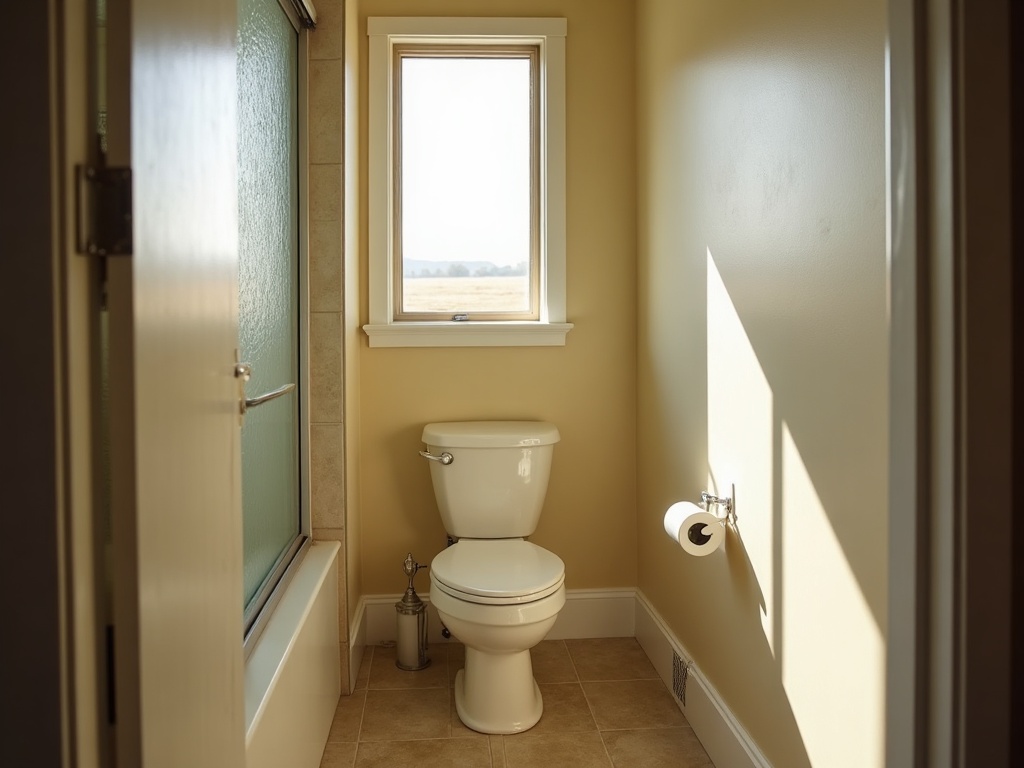
The spots that accumulate most without triggering any cleaning response are ceiling fan blades, return air vent grilles, the top of the refrigerator, window tracks, door frame tops, and the toilet base where it meets the floor. In Mead specifically, the agricultural surroundings along WCR 5 and WCR 7 mean fine field dust settles into these areas faster than in more urban homes. Return vents and ceiling fans are the highest-priority overlooked spots because they affect air quality throughout the home every time the HVAC system or fan runs. Our Mead house cleaning service includes all of these areas on a rotating basis as part of a recurring schedule.
In Mead homes near agricultural land, ceiling fans and return vents should be addressed at least every two to three weeks during spring and summer when field dust and pollen loads are highest. Window tracks can typically be cleaned monthly on a maintenance basis, though homes with windows that stay open during windy periods in spring may need more frequent attention. Door frame tops and cabinet hardware hold well on a monthly schedule for most households. The key is putting these items on a fixed rotation rather than addressing them reactively. When these spots get cleaned only when they become obviously dirty, the accumulation has already been distributing into the room for weeks. The post on how Mead's open farmland affects your home gives more context on the local dust pattern.
A professional recurring clean done correctly covers both. The distinction is in the scope and sequence. Visible surfaces are the starting point, not the finish line. A thorough professional visit in a Mead home includes ceiling fans, return vent grilles, door frame tops, window tracks, baseboards throughout (not just the visible sections), toilet base and full exterior, cabinet hardware, and switch plates, in addition to countertops, floors, and bathrooms. What distinguishes a professional clean from a routine home tidy-up is systematic coverage of the areas that daily habits miss and the correct top-to-bottom sequence that prevents cleaning the same surfaces twice. You can see the full scope on the Casabella services page.
Mead sits on open agricultural land with field boundaries along WCR 5 and WCR 7. During spring planting and fall harvest, equipment activity disturbs fine soil particulate that travels on wind and enters homes through gaps in doors, windows, and return air systems. The area's semi-arid conditions mean this particulate stays airborne longer than it would in a humid climate. There is no moisture to weigh it down and settle it. The result is that horizontal surfaces, including fan blades, vent covers, and window tracks, accumulate a field-dust layer on top of the standard household dust load. Homes in Highlands at Mead and Mead Ranches that have windows facing the agricultural fields to the east and west tend to see this effect most clearly. Our post on dust and pollen from Mead's open farmland covers this in detail, and the post on why Front Range dust is different gives broader context.
Sequence is everything. Start at the highest point in every room and work down. Ceiling fans and overhead vent grilles first. Door frames and tops of cabinets next. Mid-level surfaces, hardware, and switch plates after that. Baseboards last, immediately before floors. If you clean floors before addressing any overhead surface, you are putting debris from above back onto what you just cleaned. This sequence error is the most common reason homeowners find a clean-looking floor covered in fan dust an hour after vacuuming. For window tracks, vacuum the channel first with a crevice attachment before wiping. Introducing a damp cloth into a dry track full of debris turns it into a muddy paste that is harder to remove. Our post on what most homeowners skip when cleaning bathrooms covers the same principle applied to the specific sequence issues that show up in bathroom cleaning.
If your Mead home has areas that have been on the ignored list for a while, book a cleaning online and we will start with a thorough reset before moving to a maintenance schedule that keeps those spots from building back up.