
October 15, 2026

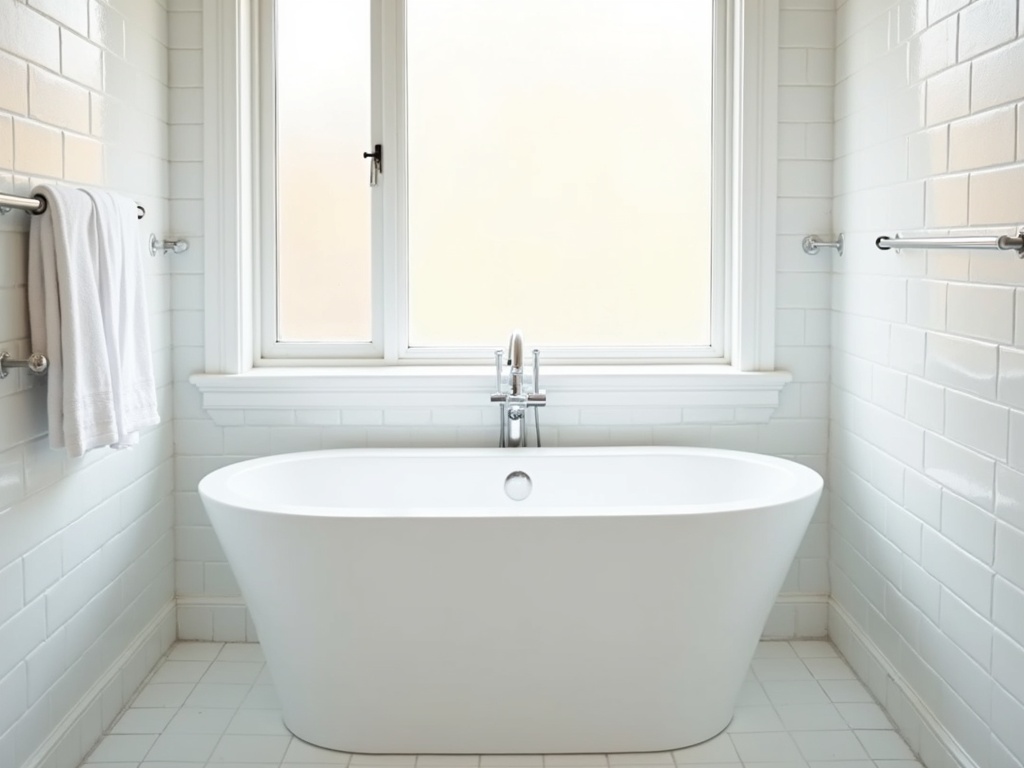
Most homeowners think they clean their bathrooms well. They're not wrong about effort. They're wrong about coverage. After running through hundreds of Boulder County bathrooms in the first quarter of 2026, the pattern is the same in almost every home: a routine that hits the obvious surfaces and never touches the spots that actually drive mildew, hard-water staining, and that vague "this bathroom isn't quite right" feeling. Cleaning bathrooms properly is mostly about sequence and the spots people don't think to check.
The shortcuts are predictable. We see them in homes with weekly cleaners and homes that haven't been touched in months.
None of these are about laziness. They're about routine. Once we walk through them with a client, the pattern almost always changes within a visit or two.
The first thing we do in a bathroom is spray the toilet bowl, the shower or tub interior, and the grout lines that need attention. Then we leave the room and start something else. Five to seven minutes of contact time does more for a stuck-on bathroom than any amount of scrubbing on a freshly sprayed surface. The product needs that window to break down soap scum and hard-water deposits.
Light fixtures, exhaust fan covers, the top edge of the shower frame, the top of the door, the tops of any wall art or shelves. All of it gets dusted before any wet cleaner touches a surface lower down. We use a dry microfiber on a long handle for high spots so we're not displacing dust onto wet surfaces. The exhaust fan cover specifically gets pulled and rinsed every visit, not just visually inspected. A clogged fan keeps moisture in the bathroom longer, and trapped moisture is the single biggest driver of mildew on caulk and grout.
Mirrors first because overspray from glass cleaner lands on the counter and we catch it on the next pass. Spray onto the cloth, never directly onto the mirror. Direct spray runs down behind the frame and breaks down the silver backing. Most older Front Range bathrooms with mirror damage at the bottom edge got it this way.
The bowl is the easy part. The work is the rim underside, the hinges, the gap where the toilet meets the floor, and the back side of the tank. Use a dedicated cloth and bowl brush for the rim, a fresh cloth for the exterior, and a third for the floor seam. One cloth doing all three is why a visibly clean bathroom can still smell like a toilet at the end of a job.
Hot water rinse first to soften deposits, then scrub the grout with a stiff brush and a non-acidic cleaner. Acidic cleaners eat into grout sealant and accelerate the next cycle of staining. Hard-water film on glass comes off with a damp magic eraser or a glass-rated mineral remover. Caulk inspection happens here too. If the bead along the tub is darkening from underneath, that's mildew growing inside the caulk, not on top, and it has to be cut out and replaced. We flag that for the homeowner instead of pretending we can scrub it away.
Light switches, door handles, cabinet pulls, and the toilet flush handle get wiped at the end. These collect oils and bacteria daily and almost never make it into a normal home cleaning routine. The floor goes last so any debris from earlier steps gets picked up, not pushed around. We pull bathmats and clean under them, not just around them. Behind the toilet and under any pedestal or vanity base gets a real pass, not a glance.
We default to biodegradable, pet-safe products in every Front Range bathroom we clean. The volume of cleaner that ends up airborne in a small closed room is higher than people realize, and we've got clients with reactive airways, kids who crawl on the floors, and dogs who lick the floors. The longer version is in the eco-friendly products we use around pets and the no-harsh-chemicals approach we run.
Equipment matters too. Color-coded microfiber cloths so bathroom and kitchen cloths never mix. A dedicated bowl brush per home, a stiff grout brush, a long-handle duster, and a real squeegee for shower glass. What we don't use: bleach as routine (only on visible mildew, then rinsed), abrasive powders on chrome or finished tile, and citrus oils that leave a residue on glass.
A homeowner who fixes the six steps above can keep up with their own bathrooms. The math changes in a few situations:
The way we structure visits is in what's in our standard cleaning service, and the difference between routine and a deeper scope is laid out in the post on standard vs. premium cleaning options. If you're trying to decide whether to book a one-time recovery or jump straight to recurring, the math sits in the recurring vs. one-time deep clean breakdown.
Pre-spray the toilet, shower, and grout, then leave the room. Come back and work top to bottom: dust high spots first, then mirrors and chrome, then counters, then toilet (interior, exterior, floor seam in that order), then shower and grout, then high-touch surfaces and the floor last. The pre-spray and the top-to-bottom rule do more for finished quality than any specific product choice.
Almost always one of three things. The exhaust fan is clogged and not moving moisture out, so trapped damp air keeps the smell coming back. The base of the toilet where it meets the floor wasn't cleaned. Or the same cloth that wiped the toilet exterior also wiped the counter, so a thin layer of residue is on every surface. Pull the fan cover, dedicate a cloth to the toilet only, and clean the floor seam with a separate damp cloth.
Hot water rinse first, then a non-acidic, grout-safe cleaner, then a stiff but not metal brush. Vinegar and other acidic cleaners eat into grout sealant and accelerate restaining. For dark mildew lines that won't come up, an oxygenated cleaner left to sit for 10 minutes before scrubbing usually beats anything more aggressive without damaging the seal underneath.
Quick wipe weekly, deep clean every two to four weeks depending on traffic. A guest bathroom might only need a real deep clean monthly. A primary bath used by two people daily benefits from a thorough clean every two weeks. The wipe-downs in between buy time, but they don't replace a real clean that hits the rim, the grout, and the fan cover.
You can, but you shouldn't. Acidic cleaners like vinegar damage grout, marble, and natural stone. Bleach damages colored grout and can leave permanent spots. A pH-neutral all-purpose for counters and most chrome, a non-acidic grout-and-tile cleaner for showers, a bowl-specific cleaner for the toilet interior, and a glass cleaner for mirrors and shower doors covers the whole room without compromise. We carry that same kit on every visit.
If your bathrooms have drifted past what a routine wipe will fix, the right move is one deep clean to set the baseline and a recurring schedule to hold it. We can quote both at the same visit. Book online with a few details about your home, or call 303-827-1251 to talk through what your bathrooms actually need first. Our house cleaning service across Boulder County covers Boulder, Longmont, Louisville, Lafayette, and Erie. If you're still figuring out which company to call, how to choose the best cleaning company in Boulder walks through what to ask, and hardwood floor mistakes most homeowners make covers the other room where small mistakes compound fastest. There are also a few quick FAQs on the FAQ page if you'd rather read first.