October 22, 2026

Most of the calls we get from new Longmont clients in the fall follow the same pattern. School started, summer routines fell apart, and someone finally decided it was time to stop managing the mess alone. They book a first visit and then, right before we show up, they send a message asking some version of the same question: what exactly is going to happen in my house?
That question is fair. Letting a team into your home for the first time requires trust, and trust is easier to extend when you know what to expect. This post walks through the whole process: the mistake that trips up first-time clients before we even arrive, the step-by-step sequence of a first professional visit, what we use and why, and where doing it yourself stops producing the results you are looking for.
First-time clients almost always clean before we show up. They vacuum, wipe down counters, and scrub the sink. The instinct makes sense. Nobody wants to feel judged. But it creates a problem you probably did not expect.
A first professional cleaning is designed to address the accumulation that routine household effort misses. The grease layer on the underside of the range hood. Mineral scale on the shower glass. Dust on top of door frames. The grime packed into baseboards along the hallway. When a client pre-cleans, those low-visibility surfaces stay untouched while the team spends time on counters and toilets that are already clean. The surfaces that matter most get the least attention.
The better preparation is clutter removal. Clear countertops, bathroom shelves, nightstands, and anything on the floor that does not belong there. That gives the team direct access to every surface. It means more time on the cleaning itself and less time working around personal items. That one step, more than anything else, improves what a first visit can accomplish.
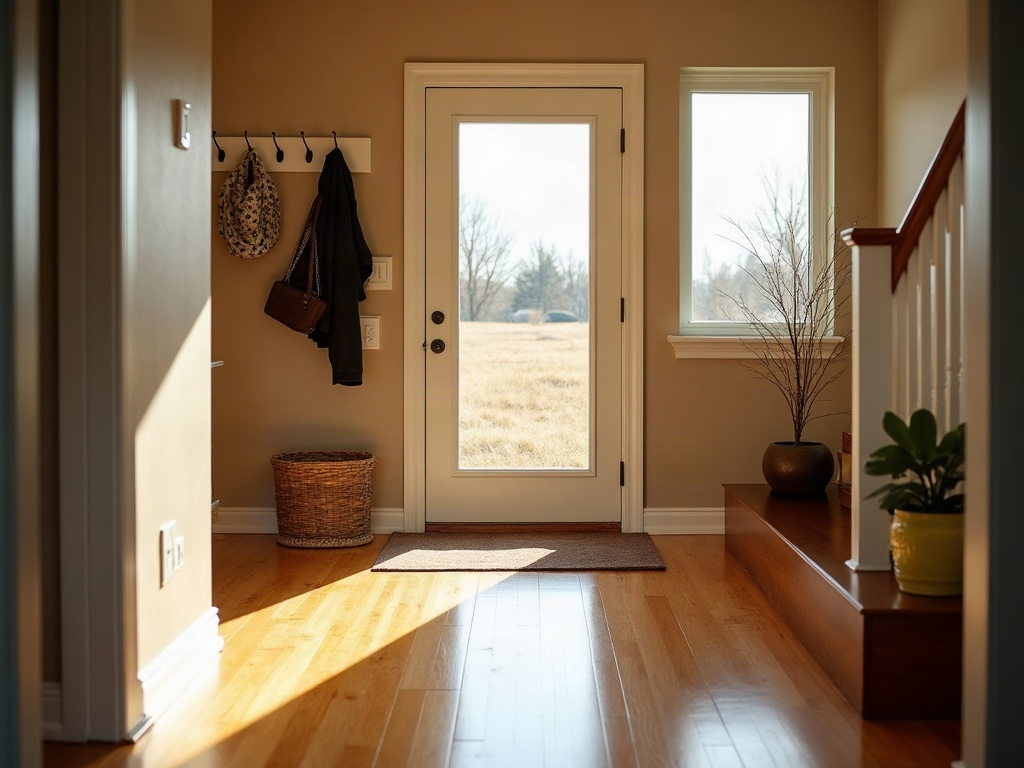
We start every first visit with a walkthrough of the home. This is not a formality. It is how the team identifies which surfaces need the most attention, flags anything that requires a specific product or technique, and notes your preferences before the work begins. In Longmont homes in the Prospect and Hover neighborhoods, where you often find original hardwood in the entry alongside newer LVP in the back of the house, the walkthrough is where we confirm the floor types so the correct product goes on the right surface. If there are rooms you want prioritized or areas with specific concerns, this is the moment to say so. The team lead notes it and adjusts the sequence accordingly.
Before any liquid touches any surface, we do a complete dry pass through every room. Ceiling fan blades, the tops of cabinets, crown molding, light fixture exteriors, window casings, and door frames. We use dry microfiber cloths and extendable dusters to reach the high spots. The sequence runs top to bottom without exception. Dust dislodged from ceiling fans lands on shelves. Dust from shelves lands on counters and floors. The dry pass captures that material before it gets wet and bonds to the surface below. In Longmont, where homes near Mountain View and downtown have enough age on them to accumulate significant dust on molding and upper surfaces, this step removes more material than most clients expect.
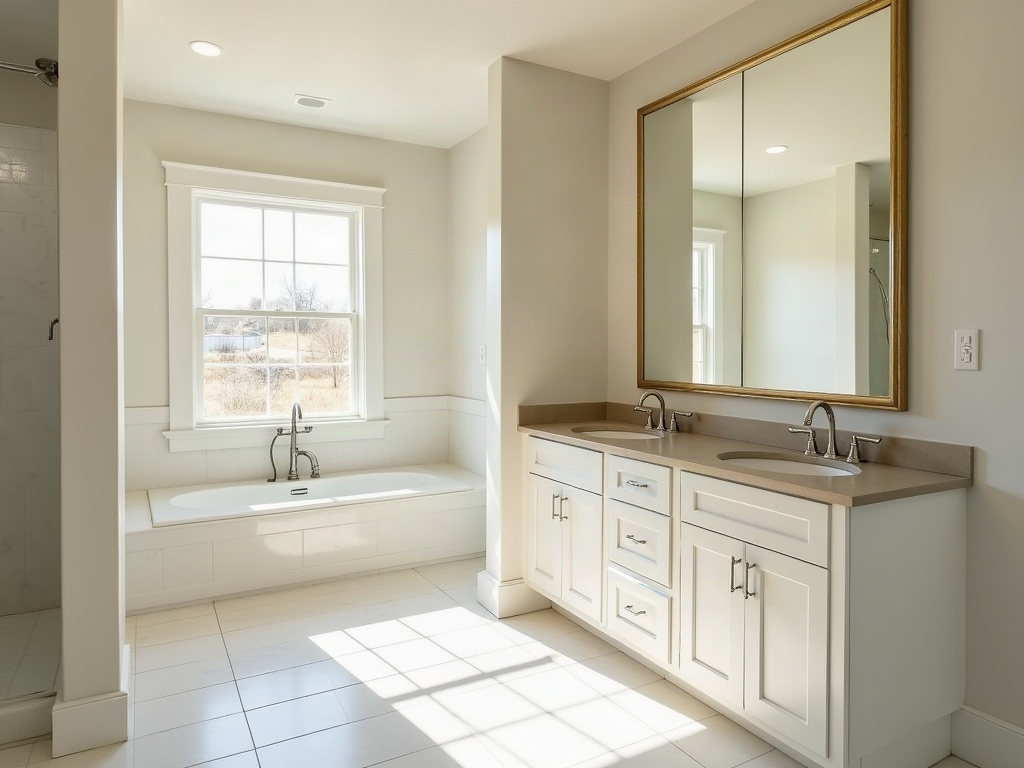
Each bathroom is completed in full before the team moves on. The sequence inside each bathroom: mirror cleaned with a streak-free glass cleaner, countertop and sink basin scrubbed and disinfected including the faucet base where soap scum and mineral deposits pack in tightest, toilet cleaned inside the bowl with a disinfecting product then wiped down on every exterior surface including the base and behind the tank. Shower walls and floor scrubbed with attention to mineral scale on glass or chrome. Grout lines brushed in tile showers. Baseboards wiped the full length of each wall. Floor vacuumed then mopped. On homes with natural stone tile in the shower, we use pH-neutral products. An acidic cleaner on travertine or marble etches the surface permanently, and we do not take that risk with a product shortcut.
The kitchen is where the difference between a professional clean and a routine household wipe-down shows up most clearly. Countertops sanitized. Cabinet faces wiped including the pulls and knobs. Stovetop grates removed and scrubbed individually. Burner surfaces cleaned under and around the grates. Exterior of every appliance, including the sides and top of the refrigerator where a heavy grease-and-dust layer builds up invisibly. The range hood exterior and underside, including the washable metal filter if the home has one. Microwave inside and out. The base of the backsplash where grease spray from the stovetop concentrates over weeks. Sink basin scrubbed and faucet base detailed. Floor vacuumed and then mopped after all counter and appliance work is done, so anything dislodged during that work gets picked up in the floor pass rather than baked in by foot traffic.
Every flat surface in each room gets dusted and wiped: windowsills, shelves, nightstands, dressers, entertainment units, and furniture tops. Mirrors cleaned. Blinds or window slats dusted. Light switch plates and outlet covers wiped. Baseboards cleaned fully along the entire length of each wall, not spot-wiped. This is the physical distinction between a first professional clean and what a recurring maintenance visit looks like. A home on a regular schedule has baseboards that get maintained. A home receiving its first professional clean often has baseboards that have not been fully addressed in months. The difference is visible. Floors vacuumed on carpet, vacuumed and then mopped on hard surfaces with the product appropriate for that floor type. Beds remade if fresh linens are on hand.
Oven interior and refrigerator interior cleaning are available on first visits and need to be requested at booking. The oven requires a product with dwell time. The cleaner goes on at the start of the kitchen portion, the team moves to other rooms while it works, and the oven interior is scrubbed and wiped before the kitchen floor pass. Refrigerator interior cleaning means removing all shelves and drawers, wiping the interior walls, cleaning the removed components, and reinstalling everything. Both of these add meaningful time to the visit. They are worth requesting on a first clean, particularly if the oven has not been cleaned in a long time. Baked-on grease in an oven does not respond to a surface wipe. It requires the right product and the right sequence, which is why we handle it as a timed step rather than something squeezed in at the end.
After every room is done, the team does a walk-through of the home. We check for anything the sequence missed: a baseboard section that got partial attention, a mirror that needs a second pass, a floor edge that was not fully mopped on the first go. Trash emptied and relined throughout the home. Any items moved during cleaning returned to their original positions. If you are home during the visit, the walk-through is the right time to point out anything you want confirmed or touched up. If you would rather be out of the house, you can reach us at 303-827-1251 before or after to go over anything specific. Either way, the team does not leave until the home meets the standard the visit was designed to reach.
Product choice is not cosmetic. The wrong cleaner on the wrong surface causes damage that accumulates invisibly and shows up later as dull finishes, etched stone, or stripped hardwood sealer.
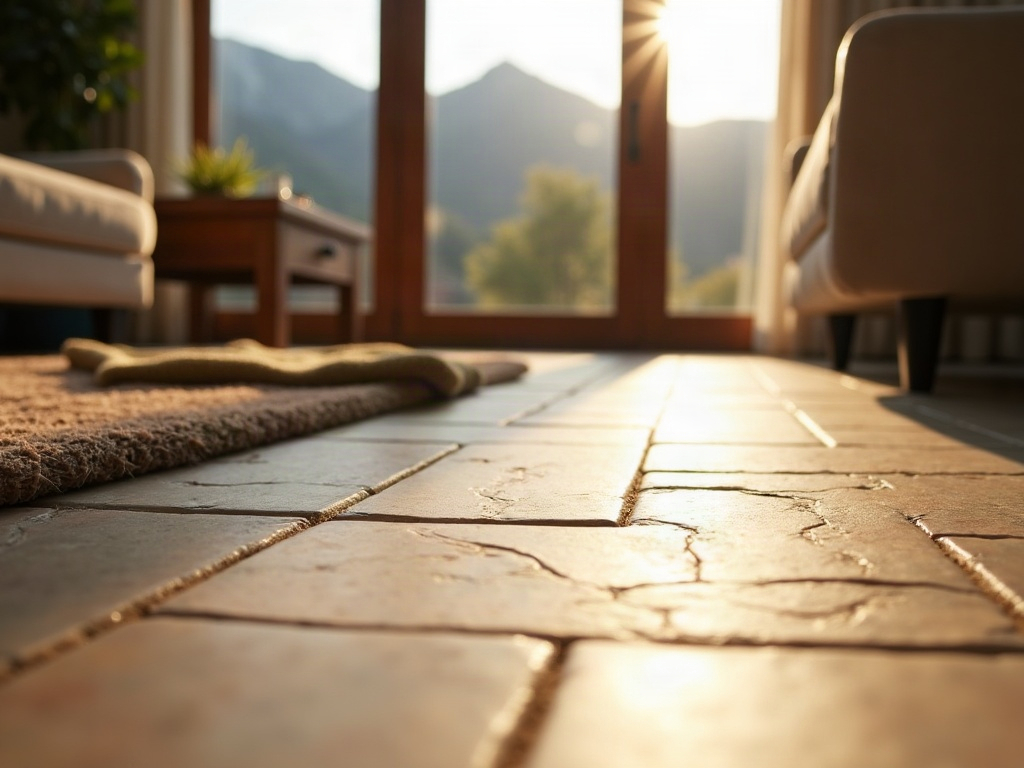
On hardwood floors, we use a pH-neutral wood floor cleaner applied with a microfiber mop wrung until no dripping occurs. No steam mops. Steam drives heat and moisture into wood fibers simultaneously, and in Longmont's dry indoor environment where winter humidity drops below 20 percent in many homes, that moisture contrast causes more harm than any cleaning residue would. Our post on what most people get wrong about cleaning hardwood floors explains why the most popular floor cleaning products make this worse rather than better, and it is directly relevant to the older hardwood found in many Longmont homes.
On natural stone countertops and tile, pH-neutral stone-safe cleaners only. Acidic cleaners, including common household options like vinegar and citrus sprays, etch calcite-based stone. Alkaline cleaners strip sealer faster than normal wear. Neither outcome is obvious until the finish is already compromised.
For hard water mineral deposits on shower glass and chrome, we use a product with enough acidity to dissolve calcium scale but applied in a targeted way, directly on the deposit, not broadcast across the whole shower. Boulder County's water supply runs hard, and Longmont water is no exception. Scale builds fast on glass and chrome in any regularly used shower. Catching it on a first professional visit prevents it from reaching the point where mechanical scrubbing alone is not enough.
We send teams of two or three to every job, depending on how many homes are on that team's schedule for the day. That parallel work is what makes it possible to complete a thorough first clean on a 1,800 square foot home in three to four hours. A solo effort on the same home in the same window compresses the scope, and the areas that compress first are always the high surfaces and low surfaces, exactly the ones that define what a deep clean actually is.
For households with pets or young children, the product choice takes on added weight. Low surfaces take the most contact in those homes. Toddlers and large dogs create nearly identical demands in that regard: floors, baseboards, and lower cabinet faces get the most exposure to both cleaning products and small hands or muzzles. Whatever goes on those surfaces comes right back into contact with the people and animals living on them. That is why our product choices on residential accounts are consistent regardless of whether a client specifically requests it. For more on product safety in homes with animals, our post on what people get wrong about eco-friendly cleaning products and pets covers the labeling gaps worth understanding before any service enters a home with animals.
Most Longmont homeowners manage their homes reasonably well between professional visits. The honest question is not whether you can clean your own home. It is whether the scope and frequency you are working with match the actual accumulation rate in your specific home.
Range hood grease is the clearest example. Grease aerosol from cooking rises and settles on the underside of the range hood on every cooking session. It is invisible at low accumulation levels and becomes a sticky, dark film over months. By the time it is visible, a standard household cleaner does not cut it. It requires a degreaser with dwell time and mechanical scrubbing, which most homeowners do not have in their regular rotation because the surface is not visible at eye level and does not signal its condition.
The same pattern applies to mineral scale on shower glass, grout line buildup in high-traffic tile areas, and the baseboard accumulation in hallways and entryways. These surfaces do not look dirty until they have passed the point where routine products work. A professional on a regular schedule catches them before that threshold. A homeowner cleaning occasionally catches them after.
Colorado's climate makes this more pronounced than in humid states. Front Range dust is fine and dry, and it settles fast onto horizontal surfaces in a heated home. Our post on how Colorado's dry climate affects how often you should clean explains why the accumulation patterns here differ from what homeowners experienced in more humid parts of the country, and why the cleaning interval that worked in another state may not be enough on the Front Range.
For allergy-sensitive households in Longmont, the first professional clean is especially valuable because allergens concentrate on specific surfaces that routine household cleaning tends to miss. Pollen, dust mite debris, and pet dander settle differently on different surfaces and require different techniques to actually reduce rather than redistribute. Our post on cleaning your home for allergies on the Colorado Front Range covers the surface-specific approach that makes a measurable difference for allergy-affected residents.
If you are weighing whether a first one-time clean or a recurring schedule makes more sense for your situation, our post on recurring cleaning versus a one-time deep clean gives you a direct cost and scope comparison. For homes that have just finished a renovation, the post on cleaning after a renovation before you move back in covers why post-construction scope differs from a standard first clean and what that requires.
The Longmont house cleaning page outlines how we structure visits for homes in this community specifically, across the range of older and newer construction that Longmont's neighborhoods include. When you are ready to get on the schedule, the booking page is the fastest way to submit your home details and get a confirmed price before anyone shows up. You can also compare service levels on the Casabella services page before deciding what your home needs.
The most useful thing you can do is remove clutter from countertops, bathroom shelves, nightstands, and floors. That gives the team direct access to every surface and means more time goes toward cleaning rather than working around personal items. Do not pre-clean the house. A professional first visit is designed to address the accumulation that routine household effort misses. Cleaning the visible surfaces before the team arrives leaves the low-visibility ones untouched, which are exactly the areas the visit is scoped to reach. Secure any pets in a room that will not interfere with the team's movement through the home. Let us know at booking if there are specific rooms or surfaces you want prioritized so the team can plan accordingly before they arrive.
For a 3-bedroom, 2-bathroom home in Longmont in average condition, a professional team typically completes a thorough first clean in three to four hours. Larger homes in the 2,500 square foot range or above run longer, as do homes with multiple bathrooms, significant grease accumulation in the kitchen, or heavy mineral scale in showers. Add-ons like oven interior and refrigerator interior cleaning extend the kitchen portion of the visit. The most accurate time estimate comes from submitting your home details through the booking page before the visit is confirmed. Homes in Longmont's older Prospect and downtown neighborhoods that have not had a professional clean in an extended period may take longer because more accumulated material needs to be addressed on the first visit than on subsequent recurring visits.
Yes, and there is a straightforward reason for it. A first professional cleaning requires addressing accumulated buildup on surfaces that recurring visits only need to maintain. Full baseboard cleaning throughout every room, ceiling fan blades and high surface dust, mineral scale in showers, range hood grease, and all the detail areas that a recurring visit cycles through on a rotating basis all need to be addressed from their current condition on the first visit. That takes more time than a maintenance visit on the same home. After the first clean establishes a thorough baseline, recurring visits run shorter because the starting condition is better. The cost difference between a first clean and a recurring visit reflects real time, not an arbitrary premium. Our post on recurring cleaning versus a one-time deep clean explains the cost comparison directly if you want to understand the numbers before booking.
The surfaces that a professional first clean reaches that most household routines miss are consistent across Longmont homes. The underside of the range hood where grease aerosol from cooking accumulates invisibly over months. Mineral scale on shower glass and chrome that requires a targeted product with dwell time rather than a surface wipe. The full length of baseboards in every room, not just visible sections. The top of the refrigerator and sides of appliances where a grease-and-dust layer builds up out of sightline. Grout lines in tile showers and kitchen backsplashes that trap material a mop redistributes rather than removes. Light switch plates and outlet covers that contact hands every day but rarely get wiped. Ceiling fan blades and the tops of door frames where fine Front Range particulate settles fast in a dry heated home. These surfaces do not signal their condition until they are well past the point where a routine product addresses them.
Ask two questions before you book anyone. First, ask what products they use on your specific floor and counter types, and why. A company that can name the product and explain the reasoning has made deliberate choices. One that gives a vague answer about being eco-friendly has not. In Longmont, where homes in Prospect, Hover, and downtown often have hardwood floors, natural stone countertops, or older tile, the wrong product causes damage that accumulates over multiple visits. Second, ask whether the same crew will return on recurring visits. Consistency matters because a familiar team learns your home's specifics without you repeating yourself each time. Confirm the company is insured, including workers' compensation, and ask whether they run background checks through a third-party screening service. Our post on how to choose the best cleaning company in Boulder covers this vetting process in detail, and the same criteria apply when choosing in Longmont.
Ready to get your Longmont home on the schedule? Put your home details into our booking form and we will confirm the scope and price before anyone shows up. We have cleaned homes across Longmont's neighborhoods for years and know what these houses actually need on a first visit.